Last Notice: The Race to Rescue Bury's Vanishing Creative Spaces
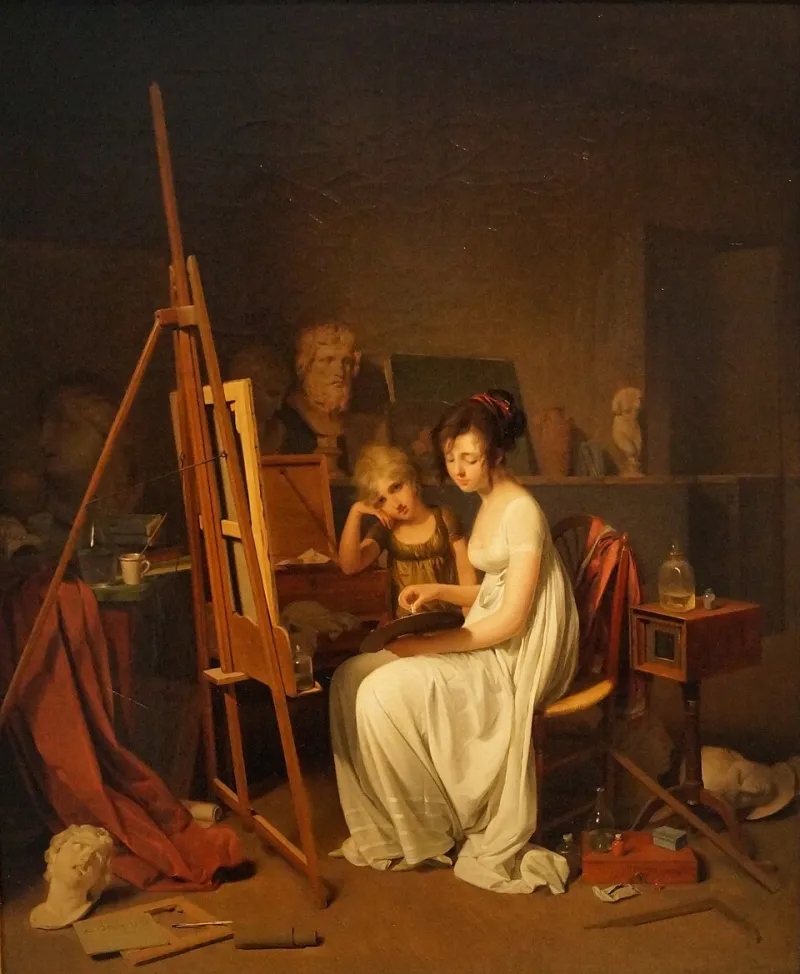
Photo: Louis-Léopold Boilly, Public domain, via Wikimedia Commons
Last Notice: The Race to Rescue Bury's Vanishing Creative Spaces
The eviction notice arrived on a Tuesday morning, tucked under the studio door like an afterthought. For the collective of painters, printmakers, and textile artists who had shared the space in a converted mill building on the edge of Bury town centre for the better part of a decade, it wasn't entirely a surprise. The building had changed hands twice in three years. The rent had crept up four times. They'd known, in the way you know things you'd rather not, that this was coming.
Within six months, twelve artists had lost their workspace. Two left Bury entirely. The rest are still looking.
This is not a story about one building. It's a story about a pattern — quiet, incremental, and devastating in its cumulative effect — that is reshaping what kind of cultural town Bury is able to be.
The Invisible Infrastructure
When people talk about Bury's arts scene, they tend to talk about the things you can see: the performances, the exhibitions, the festivals, the murals. What they rarely talk about is the invisible infrastructure that makes all of it possible — the rehearsal rooms, the shared studios, the cheap storage spaces, the scrappy little workshops where ideas get made before they're ready to be shown.
This infrastructure is, by its nature, unglamorous. It doesn't photograph well. It doesn't attract press releases. It exists in the gaps — in the upper floors of buildings that haven't yet been converted, in the basements of pubs that haven't yet closed, in the corners of industrial estates that haven't yet been sold to a logistics company.
And it is disappearing.
"The spaces that artists can actually afford are getting rarer every year," says Rosa Fenton, a ceramicist who has been based in Bury for eleven years and has moved studios four times in that period. "Each time I move, it takes longer to find somewhere. The options are narrowing. And when I talk to other artists, they're all saying the same thing."
Rosa's experience is backed up by what limited data exists. A survey conducted by a local arts network in 2023 found that nearly sixty percent of Bury-based artists and creative practitioners had experienced either a significant rent increase or a loss of workspace in the previous three years. Over a third said they were considering leaving the town if their current situation deteriorated further.
The Forces Driving the Squeeze
The pressures are not unique to Bury — they're playing out across every post-industrial town in the North West, and in cities from Manchester to Bristol. But understanding them locally matters, because local solutions are ultimately what will make the difference.
Rising commercial rents are the most obvious factor. As Bury's town centre undergoes regeneration — some of it genuinely positive — previously overlooked buildings are being reassessed for their development potential. The mill conversions that once offered cheap, characterful studio space are now being marketed as residential loft apartments. The ground-floor units that housed music rehearsal rooms are being snapped up by food and drink operators.
Post-pandemic pressures have made things worse. Several landlords who had informally tolerated below-market rents for creative tenants during the years when their buildings were difficult to let commercially have now found a tighter market and are moving accordingly.
"There's no malice in it," says one commercial property manager in the town, who asked not to be named. "These are businesses making business decisions. But the cumulative effect on the creative community is serious, and I don't think everyone in the property sector fully grasps what's being lost."
What Gets Lost With the Space
The consequences of losing affordable creative space go well beyond the inconvenience to individual artists. Creative spaces function as ecosystems. When a shared studio closes, it doesn't just displace the people who worked there — it dissolves the informal networks, the accidental conversations, the cross-disciplinary fertilisation that happen when different kinds of makers share a building.
"My best collaborations have come from bumping into someone in a corridor," says theatre designer Kwame Osei, who lost his workshop space last year. "You can't replicate that on Zoom. You can't plan for it. It just happens when people are physically in the same place, working on different things, and one of them sticks their head round the door."
There's also a pipeline argument. The creative spaces that are disappearing aren't just used by established artists — they're where the next generation gets its start. Affordable studio space is where young artists fresh out of college or university can begin to develop a practice without needing to immediately commercialise it. Lose those spaces, and you don't just lose the artists who are there now. You lose the artists who would have been there in ten years' time.
For a town that has invested significantly in youth arts programmes and cultural education, this represents a troubling disconnect. You can spend years nurturing young creative talent, and then have nowhere for that talent to actually go.
The Council Position
Bury Council has acknowledged the issue, at least in broad terms. Planning policies include provisions for considering the cultural value of existing uses when assessing redevelopment applications, and there have been discussions about the potential for a dedicated creative hub in the town centre.
But artists and advocates say the pace of change on the ground is outrunning the pace of policy response. Planning protections that exist in principle are difficult to enforce in practice. And the timeline for any new creative hub — even if funding were secured tomorrow — would likely be measured in years, not months.
"We appreciate that the council is engaging with this," says Priya Nair, who coordinates a grassroots campaign called Keep Bury Creative. "But engagement isn't the same as urgency. Buildings are being lost right now. Artists are leaving right now. We need action that matches the speed of what's happening."
Glimmers of Hope
For all the urgency, there are reasons not to despair entirely. Across the UK, community ownership models — where artists and local organisations collectively purchase or lease buildings, removing them from the speculative market — have begun to demonstrate genuine viability. In towns from Hastings to Hebden Bridge, community land trusts and artist-led cooperatives have secured long-term creative space by taking the profit motive out of the equation.
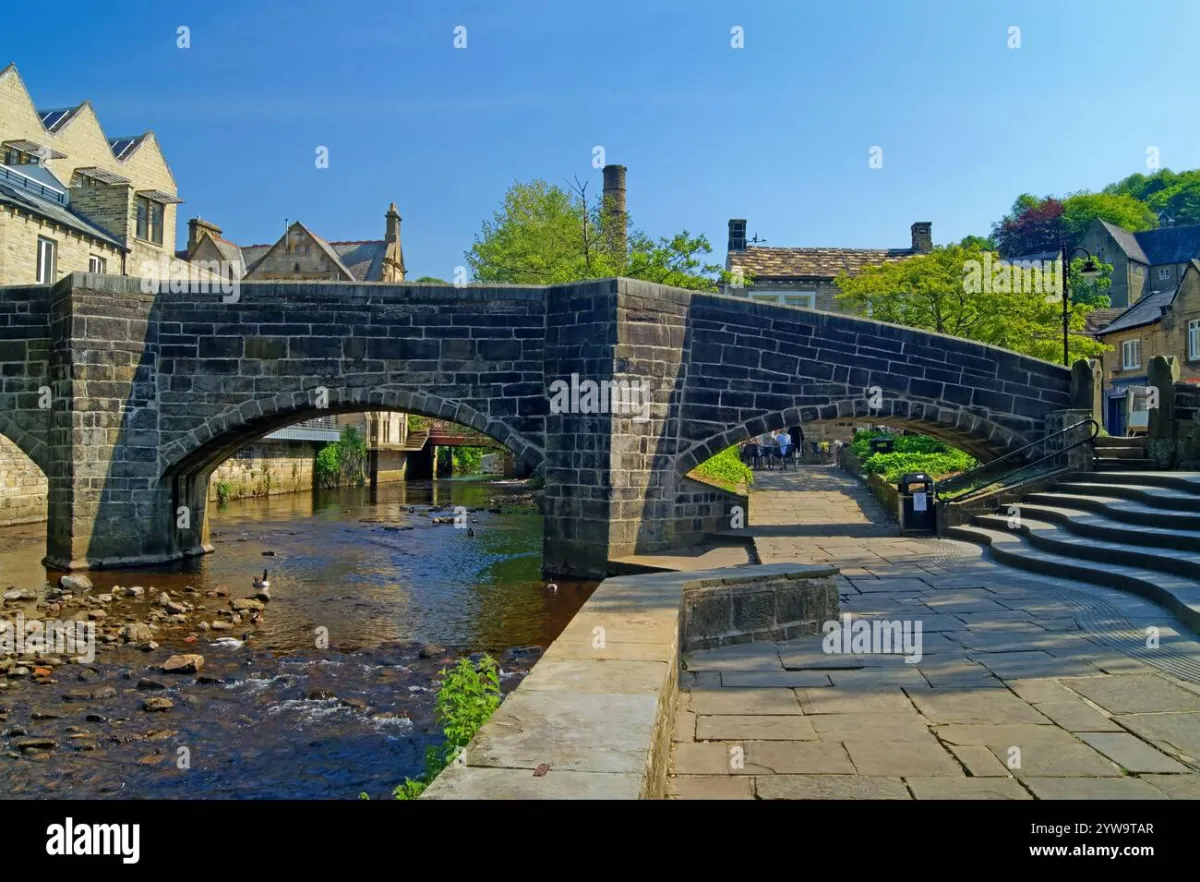 Photo: Hebden Bridge, via c8.alamy.com
In Bury, Keep Bury Creative has been exploring similar models, working with legal advisers and social enterprise specialists to understand what a community ownership bid for a suitable building might look like. It's early days, and the financial barriers are significant. But the model exists, and it has worked elsewhere.
There's also growing interest from some of Bury's more enlightened property owners in what's sometimes called the 'meanwhile use' approach — offering affordable short-term leases to creative tenants in buildings awaiting redevelopment, on the understanding that it's a temporary arrangement. It's not a permanent solution, but it keeps spaces alive and communities connected while longer-term options are pursued.
"We're not asking for charity," says Rosa Fenton. "We're asking for the recognition that creative space is infrastructure — as essential to a healthy town as roads and schools. Once people genuinely believe that, the solutions follow."
The eviction notices will keep coming unless something changes. But the people fighting to prevent them are getting louder, and they're getting organised. Bury's creative future may depend on whether the rest of the town is listening.