The Invisible Engine: Meet the Crew Powering Every Live Show in Bury
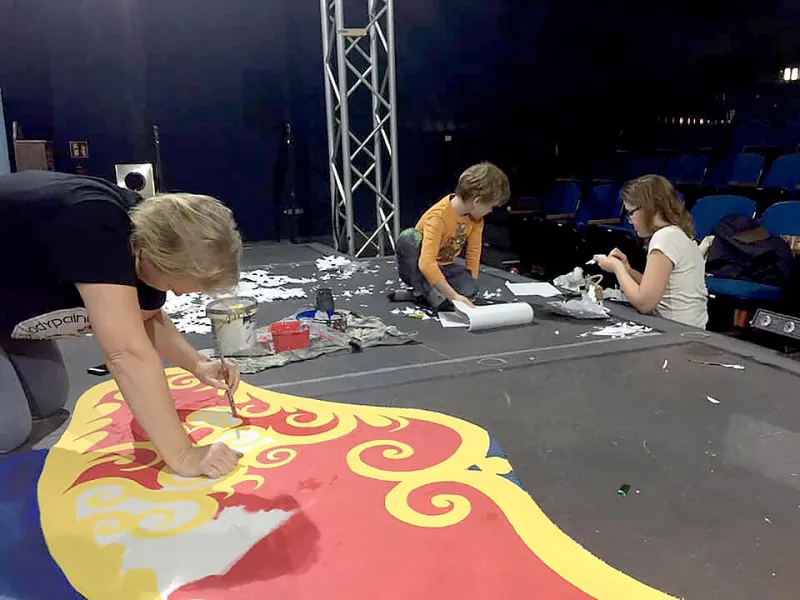
Photo: U.S. Army USAG-RP by Keith Pannell, Public domain, via Wikimedia Commons
The applause never reaches them. By the time an audience is on its feet, the sound engineer is already troubleshooting the next cue, the rigger is watching cables rather than performers, and the stagehand who shifted three tonnes of set in forty-five minutes is somewhere in the wings nursing a lukewarm brew. In Bury's live events world, the most essential people are almost always the least visible.
That's not a complaint — most of them wouldn't have it any other way. But as the town's cultural scene grows more ambitious by the season, it feels overdue that we shine a light on the crew holding everything together.
The First In, Last Out
Ask anyone who works front-of-house at a Bury venue about the crew and you'll get the same answer delivered with genuine reverence: "They're in before anyone else and they leave after everyone's gone home."
Dave Thornton has been a stagehand and production manager in the borough for over two decades, working across everything from the Met to outdoor festival stages in Whitefield and Ramsbottom. He started as a volunteer at a local drama group aged seventeen and never really left.
"People think the job is glamorous because it's live events," he says, laughing. "But mostly it's lifting flight cases in the rain, running cable, and working out why a power supply has blown twenty minutes before doors open. You love it anyway. You have to."
Dave now mentors younger crew members through informal arrangements with local venues and college drama departments. That knowledge transfer, he argues, is the lifeblood of the sector. "There's no apprenticeship for this. You learn by doing, and you learn fastest by doing it alongside someone who's made every mistake already."
Sound, Light, and Everything Between
If stagehands are the muscle, sound engineers are the nervous system. Priya Kaur came to live sound via a roundabout route — a music technology degree, a stint in a Manchester recording studio, and then a fateful conversation at a Bury open mic night where the venue's regular engineer had called in sick.
"I ended up on the desk for the whole night," she recalls. "It was terrifying and I was completely hooked."
Priya now freelances across the borough, mixing everything from brass band concerts and community theatre to touring indie acts stopping off at local clubs. The technical demands vary wildly, and that variety is exactly what keeps her engaged.
"Every room sounds different. Every act has different needs. You're never just pressing the same buttons. You're listening constantly, adjusting, problem-solving. It's genuinely creative work, even if nobody in the crowd knows you're doing it."
The invisibility is something Priya has made peace with, though she acknowledges it can sting when a show receives glowing reviews and the sound quality — which she spent days perfecting — goes entirely unmentioned. "If I've done my job right, nobody notices me. That's the goal. But it'd be nice to be noticed occasionally."
Riggers: The Heights Nobody Talks About
Above the stage, quite literally, is where you'll find the riggers. Working at height, often in cramped roof spaces and with equipment that needs to be both secure and precisely positioned, rigging is one of the most skilled and least understood disciplines in live events.
Marco Ellis has been rigging in the Greater Manchester area for fifteen years and works regularly at venues across Bury. He's meticulous, methodical, and slightly baffled that most people couldn't tell you what a rigger actually does.
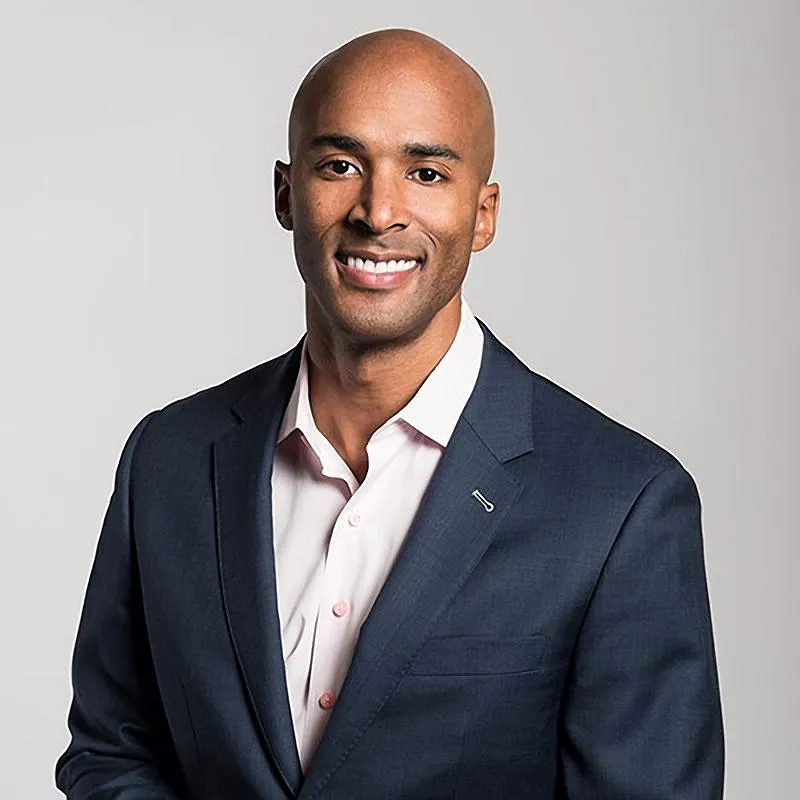 Photo: Marco Ellis, via www.theaestheticsociety.org
"We make sure the lights, the trusses, the speakers — all of it — go up safely and come down safely. If we get it wrong, someone gets hurt. That's the reality of it," he explains. "There's no margin for error and there's no audience applause when the rig doesn't fall on anyone's head."
Marco is particularly passionate about safety standards and the importance of proper accreditation in what has historically been an informal industry. "Things have improved massively, but there are still people operating without the right qualifications. In Bury, most of the venues I work with are properly on it now, which is brilliant. But it's taken years of pushing."
Camaraderie in the Dark
One thing that strikes you when you spend time with production crew is the extraordinary sense of community that exists between people who are, technically, often competing for the same jobs. There's a shared language, a gallows humour, and a genuine mutual respect that cuts across venue hierarchies.
"You're in stressful situations together constantly," says Priya. "When something goes wrong — and something always goes wrong — you need to trust the people around you completely. That builds a bond pretty quickly."
Dave describes a kind of unofficial mutual aid network that operates across Bury's live events scene. "If I'm short-staffed, I'll ring round. If someone else is struggling, they'll ring me. We cover each other. There's no formal structure to it, it just works because everyone knows everyone and everyone wants the shows to happen."
Growing the Next Generation
The question of sustainability looms large. Live events crew work is physically demanding, often poorly paid relative to the skill involved, and can be brutally irregular. Keeping talented people in the industry — and in Bury specifically — requires active effort.
Several local organisations are stepping up. Bury College's performing arts provision includes technical theatre modules, and there are ongoing conversations between local venues and community arts organisations about formalising mentorship pathways. It's not enough yet, but it's a start.
"We need young people to see this as a real career," says Marco. "Not a stopgap, not a hobby. A career with skills that transfer, with genuine craft involved, with a community behind it. Because it is all of those things."
Dave is cautiously optimistic. "Bury's arts scene is getting bigger and more ambitious. That means more shows, more work, more opportunities for crew. If we can connect that ambition with the training and the support structures, we'll be in a good place."
Next time you're at a gig, a play, a festival, or a community event in Bury, take a moment before the show starts. Notice the cables taped neatly to the floor. Notice the lights hanging perfectly overhead. Notice the sound coming back clean and clear from every corner of the room. Somebody worked very hard for that. They just don't need you to know their name.