Grey Hair, Front Row: The Over-70s Quietly Becoming Bury Festival's Loyal Crowd
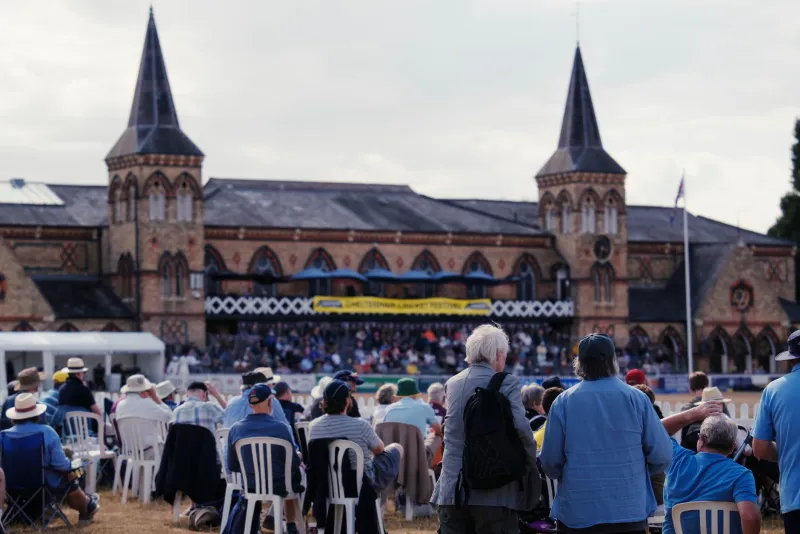
Here's an uncomfortable observation from the last few Bury Festival seasons: some of the earliest arrivals, the most reliable attendees and the warmest audiences aren't twenty-somethings. They're people who remember when the town's dance halls charged sixpence at the door.
We've been slow to notice, and slower to act on it. That should change.
The Daytime Programme Is a Sleeping Giant
Look at the numbers and the pattern is obvious. Afternoon choirs, spoken word sessions, heritage walks, matinee concerts — these slots consistently pull an older crowd, and not because they've nothing better to do. Many are retired, which means they have something most festival-goers would kill for: free time on a Tuesday.
And they don't just attend. They volunteer, they steward, they bake for the refreshment stall, they bring friends, and — crucially — they come back next year. For any event organiser, that's gold.
What We're Getting Wrong
Let's be honest about the barriers. Ticketing systems that assume everyone has a smartphone and a steady hand. Seating that vanishes after the first hour. Volume levels tuned for people whose ears haven't spent seven decades working. Programming that quietly assumes anyone over sixty-five wants nothing but wartime nostalgia and a nice cup of tea.
That last one is the real insult. Talk to Bury's older festival-goers and you'll find jazz fans, spoken word devotees, world music enthusiasts and at least one woman in her eighties who wants to know why the headline act is never anyone interesting.
What Getting It Right Looks Like
Some of it is simple. Chairs. Actual chairs, visible from the entrance, not hidden behind a food truck. Clear pricing on the door as well as online. Volume that respects ears without flattening the music. Daytime slots treated as a proper programme, not a warm-up act.
Some of it is cultural. Put older performers on the bill — not as a novelty, but because Bury has decades of talent that never stopped playing. Programmes that mix generations on the same stage rather than segregating them into 'community' and 'main' events.
Why It Matters
A festival that only plans for the young is planning for an audience that will age out of it. A festival that plans for everyone builds something that lasts — and honours the fact that Bury's cultural life was built by people who are, quite often, still in the room.
So here's the proposal: next season, bring your nan. Better still, programme like she's coming anyway. Because she is — she's been here all along, in the front row, wondering what took us so long.