Open for Business, Open for Art: How Bury Market Became the Town's Original Festival Ground
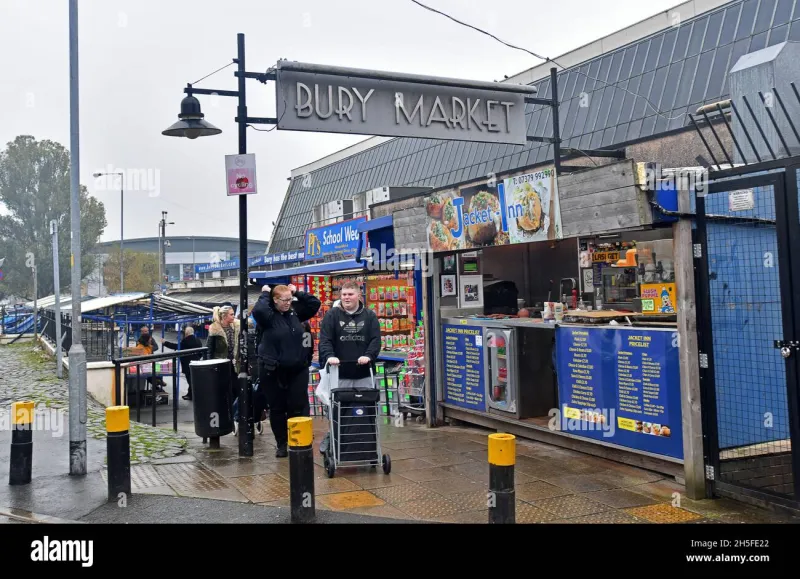
Photo: Bury Market traders bustling outdoor market stalls Lancashire UK, via c8.alamy.com
Open for Business, Open for Art: How Bury Market Became the Town's Original Festival Ground
There's a moment, usually around half ten on a Wednesday morning, when Bury Market stops being a market and becomes something harder to name. A brass player is improvising between the cheese stall and the pie stand. A textile artist has spread hand-dyed fabrics across a trestle table, each piece tagged with a handwritten note about where the dye came from. Three stalls down, a retired schoolteacher is selling hand-bound poetry chapbooks alongside jars of homemade chutney. Nobody planned it this way. Nobody needed to.
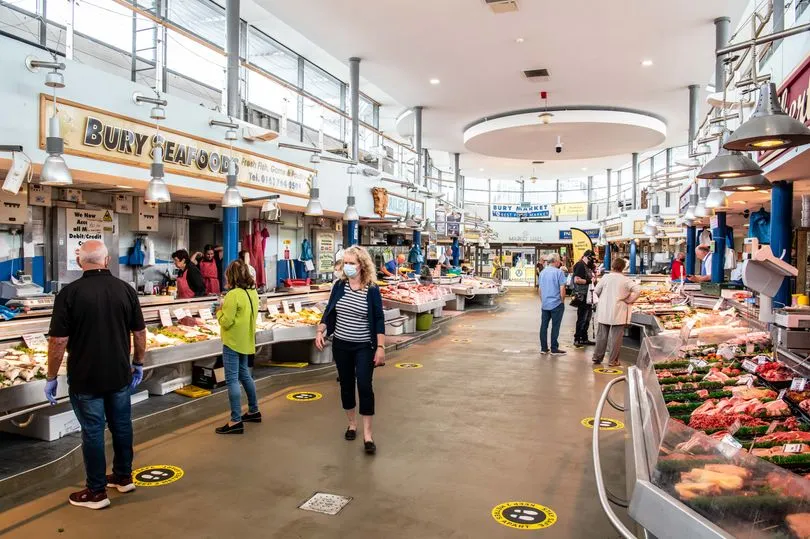 Photo: Bury Market, via i2-prod.manchestereveningnews.co.uk
Bury Market has been trading, in one form or another, since the thirteenth century. That's older than most of the institutions we're taught to revere — older than the printing press, older than the English Reformation, older than the idea of Britain as we know it. And yet standing in it on a busy market day, it feels less like a museum piece and more like something restlessly, defiantly alive.
The Original Gathering Place
Long before arts centres, concert halls, or festival fields existed as concepts, the market was where culture actually happened. Travelling merchants brought news from other towns. Street performers worked the crowds for pennies. Storytellers found their audiences between the butcher and the baker. The market was, in the most literal sense, the original public stage — a place where commerce and creativity were never really separate things.
"People forget that," says Janet Holroyd, who has run a fabric and haberdashery stall at Bury Market for going on twenty-three years. "They think of markets as purely functional. But this place has always had a buzz to it that goes beyond buying and selling. When something unexpected happens here — a singer, a bit of street theatre, someone doing something unusual — people stop. They look. They talk to each other. That's what a market does."
Janet isn't unusual in her thinking. Spend enough time at Bury Market and you start to notice how many of the traders see themselves as custodians of something more than just their pitch. There's a generosity of spirit here, a sense that the space belongs to everyone who shows up.
When Traders Become Collaborators
In recent years, that spirit has become more deliberate. A loose network of traders, performers, and local artists have begun coordinating what they loosely call "market days with something extra" — informal arrangements where musicians set up near complementary stalls, where craft demonstrators work alongside sellers of related materials, where the whole market floor starts to feel like a curated experience rather than a random collection of goods.
Marcos Pereira, a woodturner who started selling his work at the market four years ago after relocating from Bristol, describes how the collaborations tend to form organically. "I started talking to the woman selling locally foraged ingredients two stalls along. We got chatting about materials, about the land, about where things come from. Before long, she was telling her customers to come and have a look at what I was making, and I was doing the same for her. Then a musician friend of mine came along one day and just started playing quietly near us. Nobody asked him to. It just felt right."
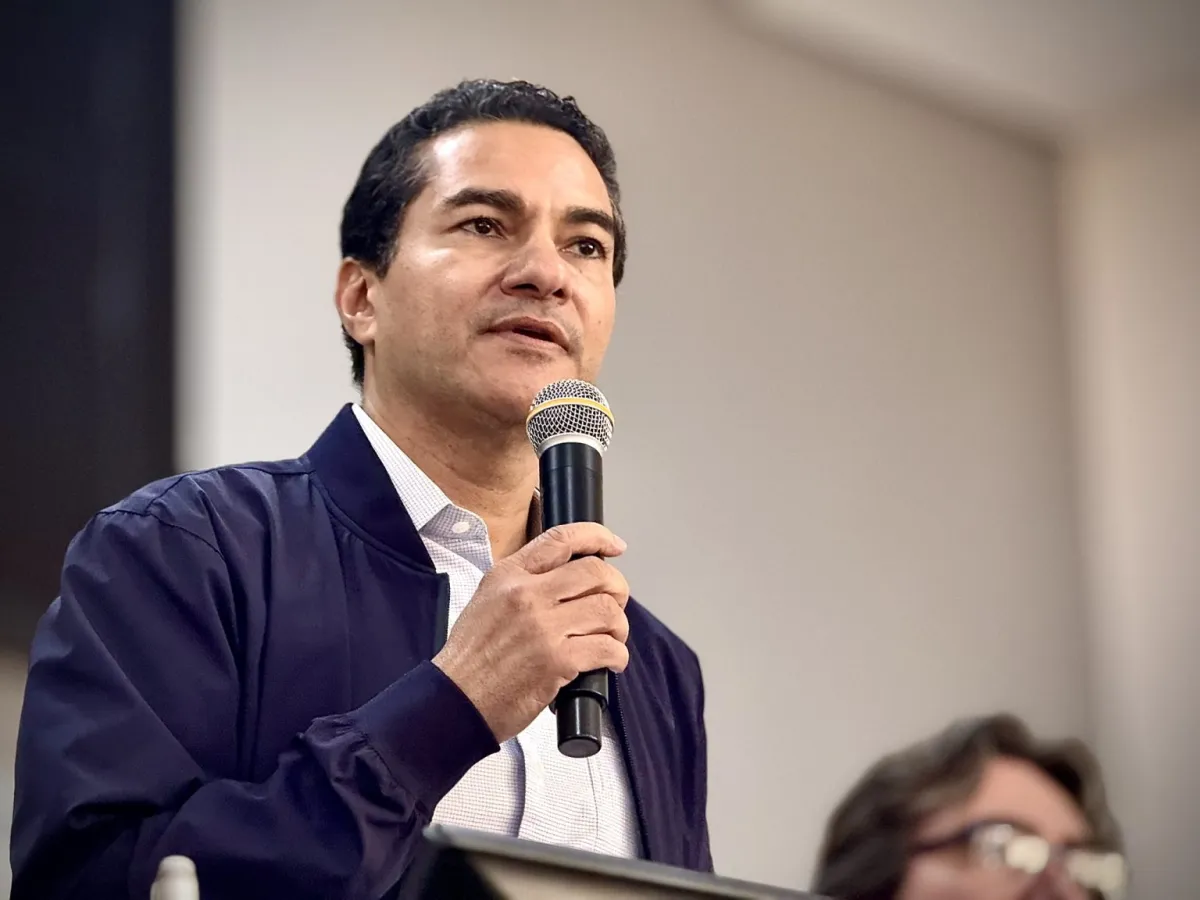 Photo: Marcos Pereira, via marcospereira.com
These micro-collaborations have begun attracting attention from Bury's wider arts community. Local theatre groups have used the market as a backdrop for site-specific performances. Visual artists have staged impromptu exhibitions on borrowed trestle tables. A spoken word collective ran a series of lunchtime readings last autumn that drew a crowd of curious shoppers who'd never attended a poetry event in their lives.
Why It Works Here
There's something about the market's democratic nature that makes it uniquely hospitable to this kind of cultural spontaneity. Unlike a gallery or a theatre, nobody needs a ticket or a particular cultural background to walk in. The barrier to entry is as low as it gets — you're just going to pick up some black pudding and a bag of veg. If you happen to encounter something that moves you along the way, so much the better.
"The market reaches people that arts venues genuinely struggle to reach," says Demi Ashworth, a community arts coordinator who has helped facilitate several performance events in the space. "Working-class families, older residents who don't see arts spaces as 'for them', people who are just getting on with their day. When you bring creativity into that environment, the response is often extraordinary. People are more open, less self-conscious. There's no pressure to have an opinion or look like you know what you're doing. You can just experience something."
This accessibility feels particularly important in a town like Bury, where the relationship between everyday life and cultural participation has always been intimate. The market isn't a destination you make a special trip to — it's woven into the fabric of weekly life. Which means that whatever happens there lands differently than it would in a dedicated arts space.
The Artisans Keeping It Honest
Not everyone is convinced that the cultural programming angle is always a good thing. A few of the longer-serving traders worry about the market losing its unpretentious, working character — about it becoming, in one stallholder's words, "a bit too festival-y for its own good."
It's a fair concern, and worth sitting with. The magic of Bury Market has always come from its refusal to be anything other than what it is: a real place where real people do real business. The moment it starts performing authenticity rather than embodying it, something precious gets lost.
The best of what's happening here seems to understand that instinctively. The performances that land most powerfully are the ones that don't try to transform the market into something else — they work with its grain, not against it. A fiddle player who sets up near the fish stall and plays reels while the fishmonger shouts his prices isn't creating a cultural event. He's just adding another layer to something that was already rich.
A Festival Before Festivals Existed
Walk through Bury Market on a good day and you'll feel it — that particular electricity that comes from a crowd of people who are all, in their different ways, glad to be in the same place at the same time. It's the same feeling you get at the best festivals, the same sense of possibility and communal warmth.
But Bury Market has been generating that feeling for eight hundred years, long before anyone put a wristband on it or sold it back to you as an experience. It is, in the most unassuming and enduring way imaginable, the original Bury Festival. And on its best days, it still knows exactly what it's doing.