When Words Won't Come: How Bury's Creatives Are Healing Hearts
The Canvas That Saved a Life
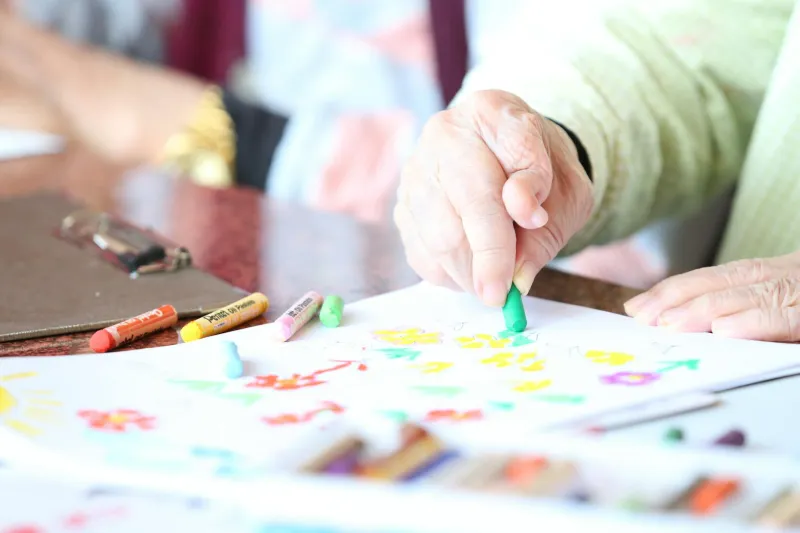
Jenny Morrison can't remember the exact moment she picked up a paintbrush at the Radcliffe Community Centre, but she remembers the colour. Prussian blue, thick and forgiving, spreading across cheap paper like hope made visible. It was eighteen months after her husband's death, six months into a depression that had swallowed her whole, and three weeks since she'd last left the house for anything other than shopping.
 Photo: Radcliffe Community Centre, via roc.uk.com
"I wasn't there to paint," she explains, gesturing at the cheerful chaos of the Wednesday afternoon art group. "I was there for the company. But Margaret handed me this brush and said, 'Just make marks, love. Nothing fancy.' So I did."
That was two years ago. Now Jenny facilitates the group herself, watching newcomers discover what she found that first afternoon – that sometimes healing begins not with talking, but with creating.
Beyond the Prescription Pad
Across Bury, creative spaces are quietly filling gaps that traditional mental health services can't always reach. The waiting lists for NHS counselling stretch for months, but the community pottery class at Bury Art Museum starts every Tuesday at 7pm, no referral required.
"We're not trying to replace proper mental health care," explains Dr Sarah Chen, a local GP who regularly signposts patients to creative programmes. "But we know that social isolation and lack of purpose are huge factors in mental health struggles. These groups tackle both."
The numbers tell part of the story. Bury's creative wellbeing programmes – a loose network of art groups, writing circles, music sessions, and drama workshops – collectively support over 300 regular participants. More tellingly, many have waiting lists of their own.
The Shed That Builds More Than Furniture
Tucked behind Bury Market, the Men's Shed project occupies a converted warehouse that smells of sawdust and possibility. On paper, it's a woodworking group for retired men. In practice, it's become one of the town's most effective mental health interventions.
"Blokes don't talk, do they?" says Frank Patterson, 67, running his hand along a piece of oak he's shaping into a garden planter. "Not about feelings, anyway. But you get them working with their hands, focused on making something useful, and suddenly they're opening up."
The shed's coordinator, retired teacher Mike Henley, has watched this transformation dozens of times. "Last week, we had a man crying over a wonky dovetail joint. Wasn't really about the joint, was it? His wife had just been diagnosed with dementia. But he couldn't say that directly. The wood gave him permission to feel it."
The projects they create – bird boxes for local schools, benches for community gardens, toys for the children's ward at Fairfield Hospital – provide purpose beyond the workshop. "We're not just making things," Frank adds. "We're making ourselves useful again."
Finding Voice in Verse
At the other end of town, the Bury Writers' Circle meets monthly in the back room of the Last Drop pub. What began as a creative writing group for aspiring novelists has evolved into something more therapeutic – a space where participants process life's difficulties through poetry and prose.
"Writing gives you distance from your problems," explains group leader Amanda Foster, a former social worker who started the circle after her own mental health struggles. "When you write about something, even fiction, you're taking control of the narrative."
The group's anthology, self-published last year, includes pieces on bereavement, unemployment, addiction, and recovery. Nothing is too difficult to explore through words. "We had one member write a beautiful piece about her eating disorder," Amanda remembers. "Told it from the perspective of her kitchen scales. Heartbreaking but powerful. She said writing it was better than months of counselling."
The Healing Power of Harmony
Music therapy takes many forms in Bury, from the formal sessions run by qualified therapists at Fairfield Hospital to the informal jam sessions that happen every Friday at the Fusilier pub. The common thread is the recognition that music reaches parts of us that words sometimes can't touch.
The Bury Community Choir, which meets at St Paul's Church, has become particularly known for its work with people experiencing mental health challenges. Conductor Helen Walsh trained as a music therapist before moving into community work.
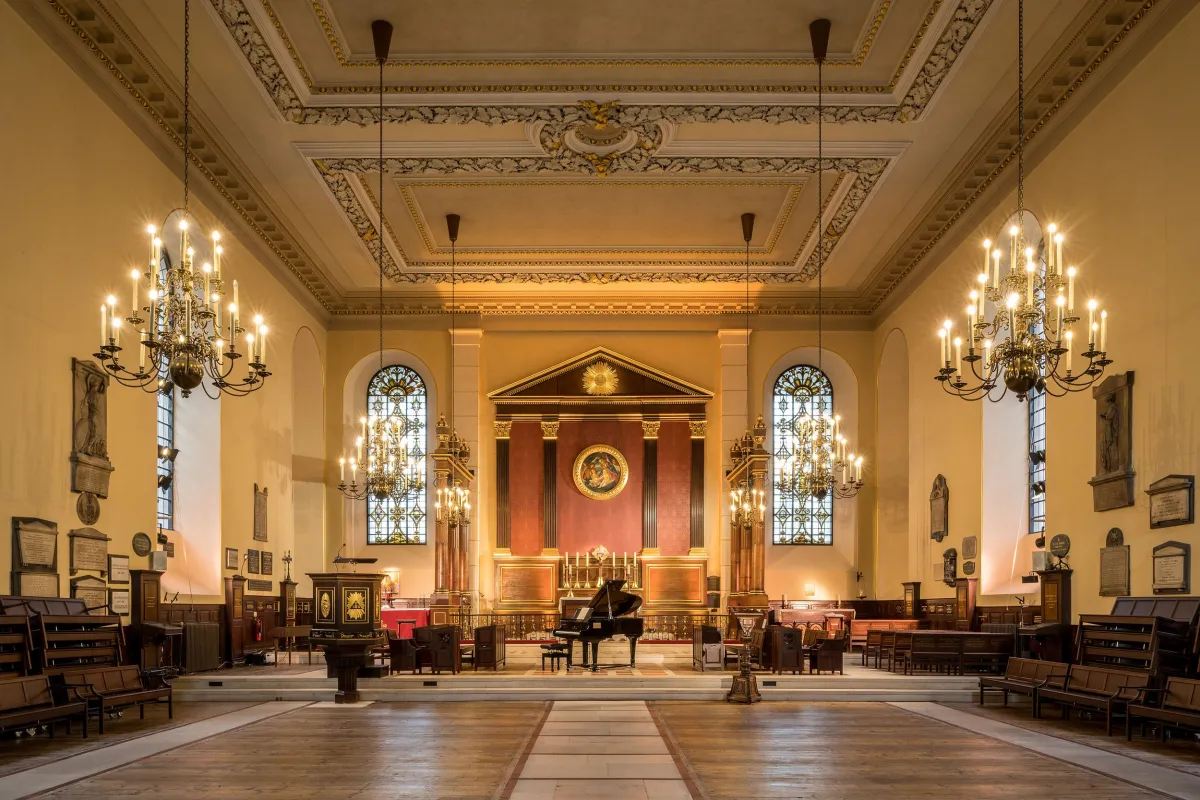 Photo: St Paul's Church, via images.squarespace-cdn.com
"Singing releases endorphins, obviously," she explains after a particularly energetic rehearsal of 'Lean on Me.' "But it's more than that. When you're singing with others, you're part of something bigger. You matter to the whole."
The choir includes members dealing with depression, anxiety, PTSD, and dementia. "We don't ask people to declare their conditions," Helen adds. "We just ask them to turn up and sing. Everything else follows."
When Professional Help Isn't Enough
Dr Emma Roberts, a consultant psychiatrist at Pennine Care NHS Foundation Trust, has seen the impact of Bury's creative programmes on her patients. "We can prescribe medication, we can provide talking therapy, but we can't prescribe community," she explains. "That's what these groups offer – belonging, purpose, routine, achievement. All crucial for mental wellbeing."
The relationship between formal mental health services and creative programmes isn't always smooth. Funding is patchy, training varies, and some healthcare professionals remain sceptical about 'art therapy' delivered by volunteers rather than qualified therapists.
"We're not claiming to cure depression with watercolours," responds Jenny Morrison firmly. "But we are saying that creativity, community, and purpose matter. Sometimes they matter more than medication."
The Ripple Effect
The impact extends beyond individual participants. Family members report improvements in their loved ones' mood and engagement. Local businesses have noticed increased footfall as creative groups bring life to previously quiet venues. Even Bury Council has taken note, incorporating creative wellbeing into its public health strategy.
"It's cost-effective prevention," explains Councillor Sarah Jones, cabinet member for health and wellbeing. "These programmes catch people before they reach crisis point. They keep people connected, active, purposeful. That's worth investing in."
Building the Future
Plans are underway for a dedicated creative wellbeing hub in the town centre, bringing together the various programmes under one roof. The proposal includes purpose-built studios, a performance space, and dedicated rooms for one-to-one support.
"Imagine having all this under one roof," dreams Amanda Foster. "Art therapy, music groups, writing circles, drama workshops, even the Men's Shed. A place where creativity and healing happen side by side."
For now, the work continues in church halls and community centres, pub back rooms and converted warehouses. It's not glamorous, but it's vital. In a world where mental health services are stretched thin and social isolation is endemic, Bury's creative communities are proving that healing doesn't always come from hospitals.
As Jenny Morrison puts it, cleaning paint from her brushes at the end of another Wednesday session: "We're not saving the world. We're just saving each other, one brushstroke at a time. Turns out that's enough."
The blue paint on her fingers – still Prussian blue, still forgiving – catches the light as she speaks. Still making marks. Still making hope visible.