Frame by Frame: The Digital Storytellers Capturing Bury's Soul
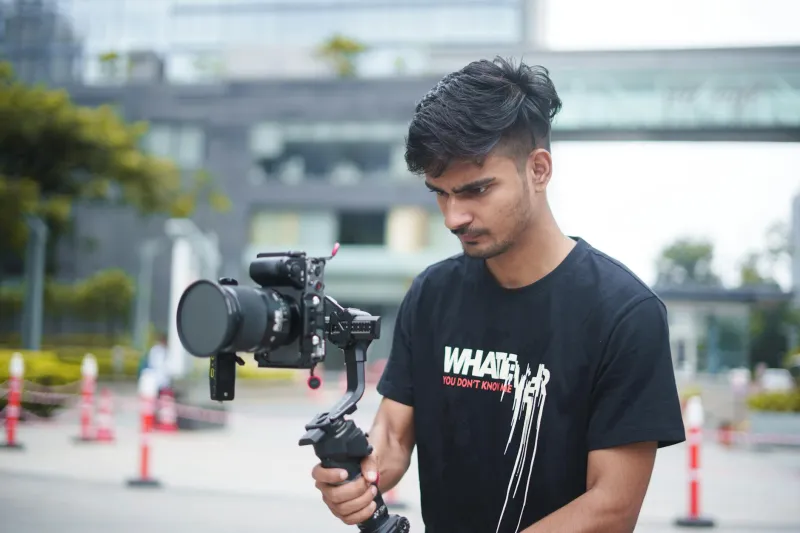
The Revolution in Your Pocket
Twenty-three-year-old Kieran Walsh films his masterpiece on a Tuesday afternoon in February, using nothing more sophisticated than his iPhone 12 and a £15 tripod from Argos. His subject? The last day of Openshaw's Butchers on The Rock, a family business that's been serving Bury for three generations. The ten-minute documentary he creates will eventually rack up 400,000 views on YouTube and earn him a commission from the BBC.
"People think you need massive budgets and fancy equipment," Kieran explains, reviewing footage on his laptop in Costa Coffee. "But the best stories are happening right here, right now. You just need to notice them."
Kieran is part of a growing movement of Bury-based filmmakers who are using accessible technology and digital platforms to tell hyperlocal stories to global audiences. Armed with smartphones, basic editing software, and an intimate knowledge of their town, they're creating content that would have been impossible to produce or distribute just a decade ago.
Beyond the Mill Town Clichés
The traditional narrative about northern industrial towns rarely ventures beyond decline and nostalgia. But Bury's digital storytellers are crafting more complex portraits of their home, finding beauty and drama in unexpected places.
Take Zara Ahmed, whose TikTok account @BuryBornandBred has attracted 80,000 followers with her bite-sized documentaries about local characters. Her most popular video features 78-year-old Betty Crompton, who's been selling flowers on Bury Market for fifty years.
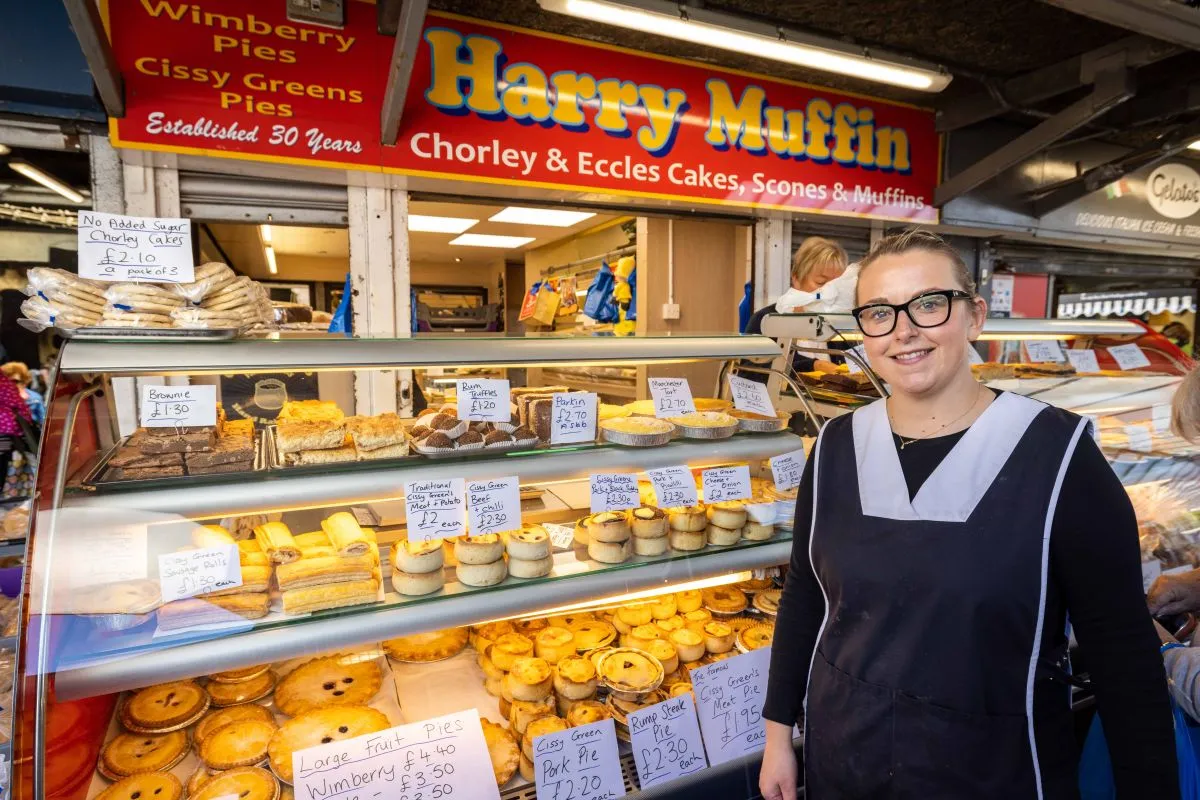 Photo: Bury Market, via discoverbury.co.uk
"Everyone expects doom and gloom," Zara explains. "But Betty's story is about resilience, community, adaptation. She's survived recessions, renovations, a pandemic. That's not decline – that's triumph."
The three-minute film, shot entirely on her phone during a lunch break from her day job at Bury Council, shows Betty arranging daffodils while sharing memories of the market's heyday. It's been viewed 2.3 million times and shared across social media platforms worldwide.
The Bedroom Studio Revolution
In a terraced house off Walmersley Road, filmmaker Jake Robinson has converted his spare bedroom into a post-production facility that would have cost tens of thousands just a few years ago. His setup – a decent computer, professional editing software, and a collection of external hard drives – represents an investment of around £2,000.
"The democratisation of filmmaking is real," Jake explains, pulling up his latest project. "I can shoot, edit, colour-grade, and distribute a film without leaving Bury. The only limit is imagination."
Jake's specialty is longer-form documentaries about local subcultures. His 45-minute film about Bury's underground music scene, 'Basement Tapes,' premiered simultaneously on YouTube and at a screening in the Met Arts Centre. The hybrid approach – digital-first but with community events – is becoming the new normal for independent filmmakers.
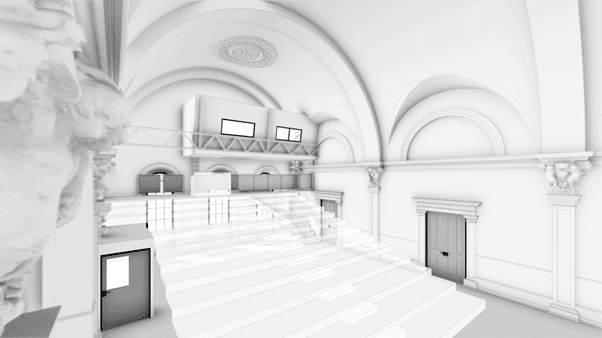 Photo: Met Arts Centre, via buryassociates.co.uk
Stories That Travel
What's remarkable about Bury's digital filmmakers is how local specificity translates into universal appeal. Kieran's butcher shop documentary resonated with viewers from rural Ireland to industrial Detroit, all recognising something familiar in the story of a family business closing.
"The more specific you are, the more universal you become," explains Dr Lisa Chen, a media studies lecturer at the University of Manchester who's been following Bury's digital film scene. "These filmmakers understand their place intimately, and that intimacy creates authenticity that audiences crave."
The phenomenon isn't limited to documentaries. Horror filmmaker Sophie Martinez has built a following creating short thriller films set in Bury's more atmospheric locations – the ruins of Peel Tower, the abandoned sections of the old mill complex, even the underpasses near the Interchange.
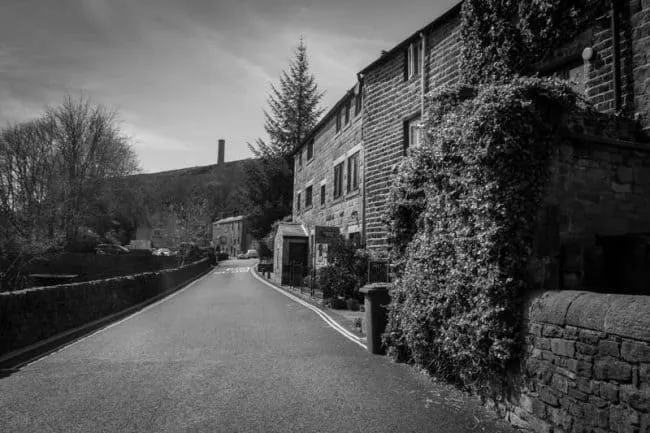 Photo: Peel Tower, via www.visitnorthwest.com
"Bury's got this amazing gothic architecture mixed with industrial decay," Sophie explains, showing location photos on her tablet. "It's naturally cinematic. Plus, filming here costs nothing compared to hiring locations in Manchester or London."
The YouTube University
Most of Bury's digital filmmakers are self-taught, learning their craft through YouTube tutorials and online forums. This grassroots education system has created a distinctive aesthetic – rough around the edges but emotionally authentic.
"I learned colour grading from a guy in Mumbai and sound design from a woman in São Paulo," laughs Jake Robinson. "The internet is the best film school that's ever existed, and it's free."
The collaborative spirit extends locally too. Bury's filmmakers regularly share equipment, locations, and expertise. An informal WhatsApp group connects about thirty local creators, organising everything from group equipment purchases to impromptu film screenings.
Beyond the Screen
The impact of Bury's digital film scene extends beyond view counts and social media metrics. Local businesses have started commissioning promotional videos from young filmmakers rather than expensive Manchester-based agencies. The council has hired several creators for tourism campaigns, recognising that authentic local voices carry more weight than professional marketing speak.
"These filmmakers know how to capture the real Bury," explains Tourism Development Officer Rachel Green. "They're not trying to make it something it's not. They celebrate what we actually are."
The knock-on effects are tangible. Locations featured in popular videos have reported increased visitors. Openshaw's Butchers, despite closing, received hundreds of messages from viewers around the world sharing their own family business stories. Betty Crompton's flower stall has become something of a TikTok pilgrimage site.
The Next Chapter
Plans are underway for Bury's first digital film festival, celebrating the work of local creators while attracting attention from the wider industry. The event, planned for next autumn, will combine online screenings with physical events across the town.
"We want to show that you don't have to move to London or Manchester to make it in film," explains festival organiser Tom Bradley, himself a successful YouTuber with 200,000 subscribers. "Bury's got stories worth telling and talent worth celebrating."
The festival has already attracted interest from Channel 4's digital commissioning team and several independent production companies. More importantly, it's inspired a new cohort of young filmmakers to pick up cameras and start documenting their own corners of the town.
Framing the Future
As traditional media struggles with declining budgets and audience fragmentation, Bury's digital filmmakers represent something vital – authentic, community-rooted storytelling that connects with audiences hungry for real experiences.
"We're not trying to compete with Netflix," Kieran Walsh reflects, packing away his equipment after a day filming at Bury Market. "We're trying to show that every place has stories worth telling, and everyone has the tools to tell them."
His latest project follows three generations of the same family who've all worked on the market. It's a story that could only be told here, by someone who understands the rhythms of market life, the relationships between traders, the way light falls through the Victorian roof at different times of day.
"This is our cinema," he says, gesturing at the bustling market around him. "These are our stories. And now the whole world can watch."
In an age of global media and homogenised content, Bury's digital filmmakers are proving that the most powerful stories often come from the most specific places. Armed with nothing more than curiosity, creativity, and a decent Wi-Fi connection, they're turning their hometown into a window on the world – one frame at a time.