Small Rooms, Big Ideas: Why Bury's Micro-Festivals Are the Future of Live Culture
The Revolution Will Be Intimate
Let's be honest about traditional festivals: they've become expensive, overcrowded, corporate-sponsored endurance tests where you're more likely to spend your weekend queuing for overpriced food than discovering your new favourite artist. While Glastonbury tickets hit £300 and Reading Festival becomes increasingly indistinguishable from a brand activation exercise, something genuinely exciting is happening in the pubs, libraries, and community spaces of Bury.
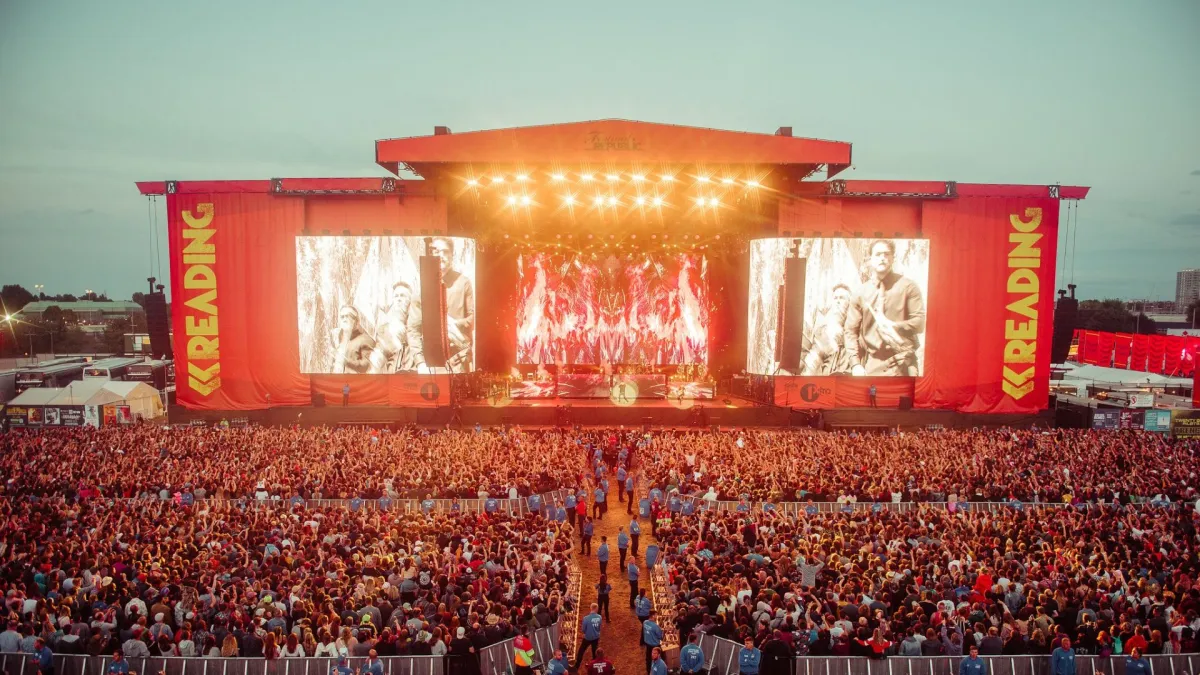 Photo: Reading Festival, via theoxfordmagazine.com
Welcome to the micro-festival revolution – where the future of live culture is being written in rooms that hold fifty people, not fifty thousand.
Redefining What a Festival Can Be
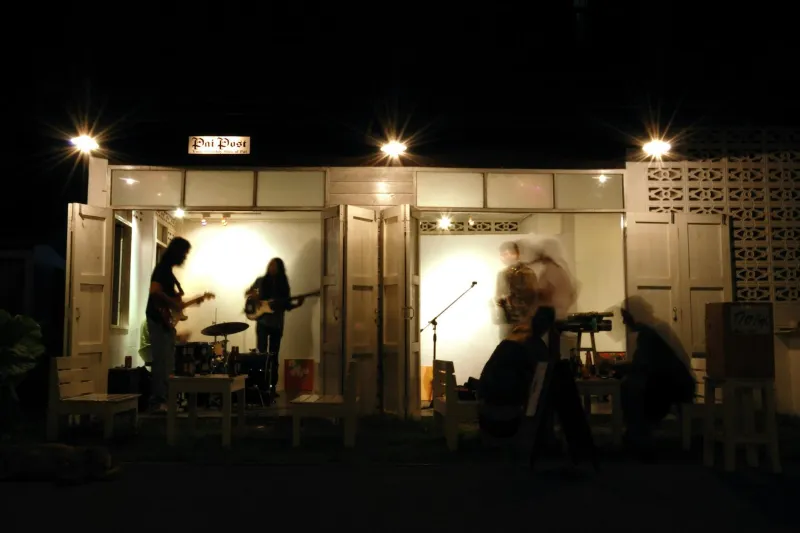
The Millstone pub on Bolton Road doesn't look like a festival venue. With its worn carpets and slightly wonky stage area, it's the kind of place you'd pop in for a quiet pint and a chat with locals. But on the last Saturday of every month, it transforms into something magical: the heart of Bury's most consistently brilliant music festival.
'Millstone Sessions' runs from 2pm to 11pm, featuring six carefully curated acts ranging from folk duos to experimental electronic artists. Entry costs a tenner, includes a drink token, and guarantees you'll discover music you've never heard before. More importantly, you'll be close enough to the performers to see their expressions, hear their stories between songs, and maybe even have a conversation with them at the bar afterwards.
"This is how music is supposed to be experienced," says organiser Pete Davidson, who started the sessions eighteen months ago after growing frustrated with the sterile nature of larger venues. "When there's only a few feet between you and the artist, when you can hear every nuance of their performance, when they can respond to the room's energy – that's when the real magic happens."
The Beauty of Constraints
What traditional festivals see as limitations – small spaces, tight budgets, local audiences – micro-festivals embrace as creative opportunities. Take 'Words & Walls,' a quarterly spoken word festival that takes over the Bury Art Museum for one evening. With just forty seats arranged in a circle, every performance becomes an intimate conversation between artist and audience.
 Photo: Bury Art Museum, via laverniaboutique.com
Curator Sarah Chen explains the philosophy: "When you can't rely on fancy production or massive crowds to create atmosphere, you have to focus on what really matters – the quality of the performance and the connection with the audience. It forces both artists and organisers to be more creative, more authentic."
The constraints also mean these festivals can take risks that larger events simply can't afford. Experimental artists who might never get booked for a main stage slot find enthusiastic audiences in Bury's micro-festivals. Genre boundaries dissolve when a death metal band might be followed by a poet, then a jazz trio.
Community Over Commerce
Perhaps the most radical thing about Bury's micro-festival movement is how it prioritises community over profit. These aren't commercial ventures designed to extract maximum revenue from punters – they're passion projects run by people who genuinely love music, art, and bringing people together.
The 'Basement Sessions' at the old co-op building exemplifies this approach. Organised entirely by volunteers, entry is pay-what-you-can, and all proceeds go directly to the artists. The venue is BYOB, the sound system is borrowed, and the lighting consists of whatever fairy lights they can string up. It shouldn't work, but it absolutely does.
"We had a folk singer from Glasgow play to twelve people last month," recalls volunteer organiser Emma Thompson. "By the end of her set, half the audience was in tears, and she was crying too. Try getting that kind of emotional connection at a festival where the nearest audience member is fifty metres away behind a barrier."
The Local Advantage
Micro-festivals succeed because they're embedded in their communities rather than parachuted in by external promoters. The organisers live locally, the venues are neighbourhood institutions, and many audience members walk home afterwards. This creates a different kind of relationship between event and community.
When 'Radcliffe Revelry' takes over the community centre every few months, it's not just putting on entertainment – it's celebrating local talent, supporting local venues, and strengthening local connections. Artists often stay for the whole event rather than rushing off to the next gig. Audience members bump into neighbours and make new friends. Children can attend because it's accessible, affordable, and finishes at a reasonable hour.
The Venue Revolution
One of the most exciting aspects of the micro-festival movement is how it's reimagining what constitutes a performance space. Libraries become concert halls during 'Books & Beats.' Independent bookshops host 'Literature Live.' Even the local laundrette has been transformed into an acoustic venue for 'Spin Cycle Sessions.'
This creative use of space serves multiple purposes. It brings culture to unexpected places, making it more accessible to people who might feel intimidated by traditional venues. It also supports local businesses by bringing new customers through their doors.
Jamie Hassan, who runs the vintage clothing shop that hosts monthly 'Threads & Melodies' events, has seen the difference: "People come for the music but discover our clothes, or vice versa. It's created this lovely cross-pollination between different communities and interests."
Quality Over Quantity
While commercial festivals chase ever-bigger lineups and longer running times, micro-festivals focus on curation and quality. A typical event might feature just three or four acts, each given proper time to develop their set and connect with the audience. There's no rush, no overlap, no need to choose between clashing performances.
This approach benefits everyone. Artists get proper soundchecks, adequate performance time, and audiences that are actually listening rather than wandering past. Audience members get value for money and discover new music without the exhaustion that comes from trying to see everything at a massive festival.
The Network Effect
What started as isolated experiments has evolved into a connected network of events that support and promote each other. Organisers share resources, recommend artists, and cross-promote events. Regular attendees become part of an extended community that spans different venues and genres.
This network effect is creating something unique in British culture: a festival circuit that's genuinely grassroots, affordable, and sustainable. Artists can tour between micro-festivals, building audiences and earning decent money without needing major label support or corporate sponsorship.
Why This Matters Now
In an era of rising costs, social isolation, and cultural homogenisation, micro-festivals offer something genuinely different. They prove that culture doesn't need massive budgets or corporate backing to thrive. They demonstrate that intimate, local events can be more meaningful and memorable than spectacular but impersonal mega-festivals.
Most importantly, they're democratising festival culture. When entry costs £10 rather than £300, when venues are accessible by foot or public transport, when events happen regularly rather than just once a year, festival-going stops being a privilege and becomes part of ordinary cultural life.
The Future Is Local
As commercial festivals become increasingly expensive and homogenised, the micro-festival movement represents something vital: proof that the most important cultural experiences often happen in the smallest rooms. Bury's network of intimate events isn't just an alternative to mainstream festival culture – it's pointing towards what festival culture could become.
In a world that often feels vast and impersonal, there's something profoundly hopeful about gathering in a small room with your neighbours to hear music, share stories, and remember what community feels like. The future of festivals isn't happening in distant fields – it's happening right here, in venues you can walk to, among people you might recognise, creating memories that feel genuinely personal.
The revolution will be intimate. And it's already begun.