When Magic Happened: Five Legendary Bury Moments That Made History
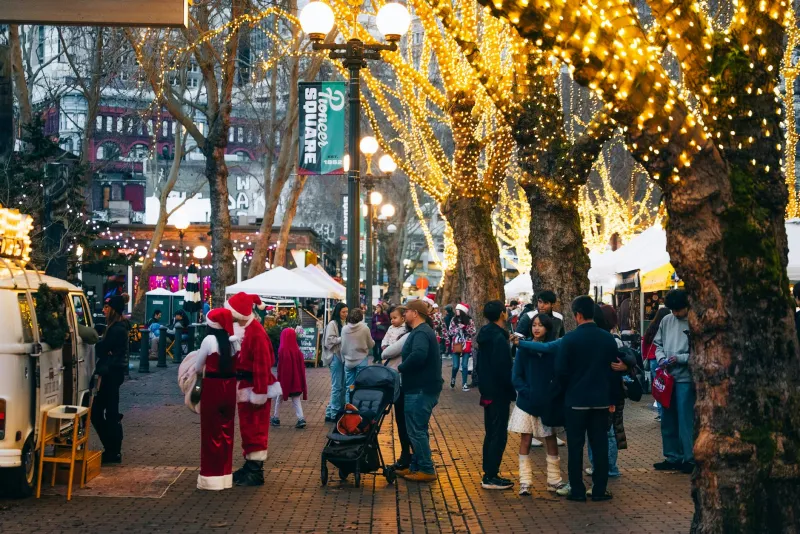
The Night the Market Square Became a Concert Hall (2019)
"Nobody planned it, which is probably why it was so perfect," remembers Janet Morrison, who was closing her flower stall when the first guitar appeared.
It started with busker Tommy Chen setting up his usual spot by the market cross, but something was different that Friday evening. Maybe it was the unseasonably warm October air, or the way the setting sun caught the old buildings just right, but people lingered instead of hurrying home.
When local indie band The Milltown Collective emerged from The Black Bull and spotted Tommy, they grabbed their instruments. "We'd just finished our gig and heard this beautiful acoustic version of 'Wonderwall,'" recalls bassist Marie Santos. "Before we knew it, we were harmonising with a busker we'd never met."
What happened next became local legend. Word spread via social media faster than anyone expected. Within an hour, the market square hosted an impromptu festival featuring seven different acts, from Tommy's folk covers to an elderly gentleman's accordion rendition of Beatles classics.
"My gran was 87 and hadn't left the house in months," says local resident David Park. "But she heard the music from her window and insisted we walk down. She ended up dancing to 'Sweet Caroline' with complete strangers. That's when you know something special is happening."
The evening concluded with everyone – performers and audience alike – singing 'Don't Look Back in Anger' as the church bells struck ten. "It was pure Bury," reflects Tommy. "No egos, no barriers, just people sharing music because it felt right."
The Shakespeare Rebellion (2017)
"They told us we couldn't do Hamlet in the shopping centre," laughs Rebecca Thornton, artistic director of Bury Youth Theatre. "So naturally, we had to prove them wrong."
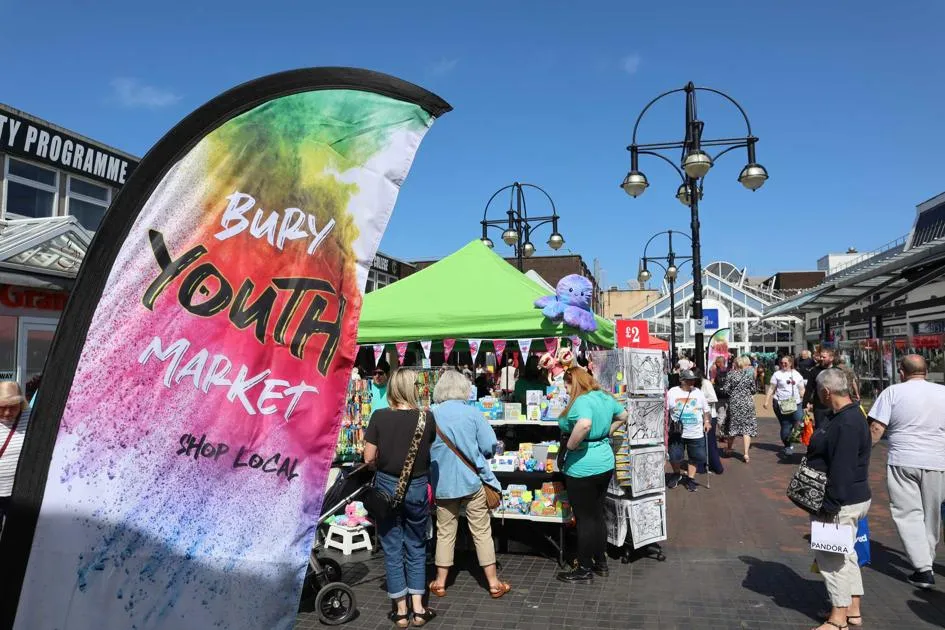 Photo: Bury Youth Theatre, via www.burymarket.com
The 'Shakespeare Rebellion,' as it became known, started as a response to budget cuts that threatened the youth theatre's traditional performance space. Faced with cancelling their annual Shakespeare production, the teenage cast decided to take matters into their own hands.
"We'd been rehearsing Hamlet for months," explains former company member Josh Williams, now studying drama at university. "We weren't about to let some council bureaucrat kill our play before we'd even performed it."
The solution was audacious: a flash mob performance throughout The Mill Gate Shopping Centre, with different scenes happening simultaneously across multiple levels. Shoppers found themselves witnessing Ophelia's madness by the fountain, while the ghost appeared dramatically on the upper balcony.
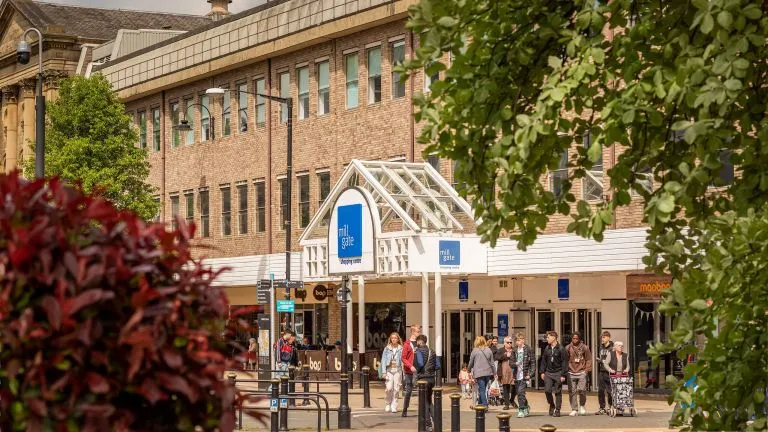 Photo: The Mill Gate Shopping Centre, via discoverbury.co.uk
"Security tried to stop us at first," recalls current company member Aisha Patel. "But then they saw how people were reacting. Kids were asking their parents what was happening, elderly couples were reciting lines they remembered from school. You could see people falling in love with Shakespeare all over again."
The climactic sword fight between Hamlet and Laertes took place in the main atrium, with hundreds of shoppers forming a spontaneous audience. Local newspaper photos show children pressed against the glass barriers, completely transfixed by the drama unfolding below.
"It proved something important," reflects Rebecca. "Art doesn't need permission. It just needs passion and people brave enough to share it."
The Bollywood Blizzard (2018)
"When it started snowing during the Diwali celebration, everyone thought we'd have to cancel," remembers Raj Sharma, organiser of Bury's annual Festival of Lights. "But then Priya had her brilliant idea."
Priya Mehta, a local Bollywood dance instructor, suggested moving the entire celebration from the planned outdoor stage to the covered market hall. What seemed like a compromise became something magical – a fusion of traditional celebration with quintessentially British weather chaos.
"The snow was coming down so heavily you couldn't see across the street," recalls attendee Susan Wright. "But inside the market, it was like stepping into another world. The colours, the music, the incredible energy – it was the most beautiful contrast."
The evening featured traditional dance performances, but the highlight came when the Punjabi dhol drummers started playing and the entire audience – families from across Bury's diverse communities – began dancing together in the narrow aisles between market stalls.
"My daughter was five and had never seen anything like it," says local parent Michael Torres. "She spent the whole evening learning dance moves from the older kids, completely oblivious to cultural differences. That's what festivals should do – break down barriers."
The 'Bollywood Blizzard' became an annual tradition, now held deliberately in the market hall regardless of weather. "Sometimes the best solutions come from the worst problems," reflects Raj. "That night taught us that community is stronger than any storm."
The Spoken Word Invasion (2020)
"We thought lockdown would kill live performance," admits poet Sarah Khan. "Instead, it taught us that words are more powerful than we realised."
The 'Spoken Word Invasion' emerged from Zoom poetry readings that began during the first lockdown. Local poets, frustrated by the limitations of virtual performance, began organising socially distanced readings in unexpected outdoor locations.
"We started in Clarence Park, just three poets and maybe six people in camping chairs," explains organiser Tom Bradley. "But word spread. By the fourth week, we had forty people scattered across the entire field, all listening to the same poem."
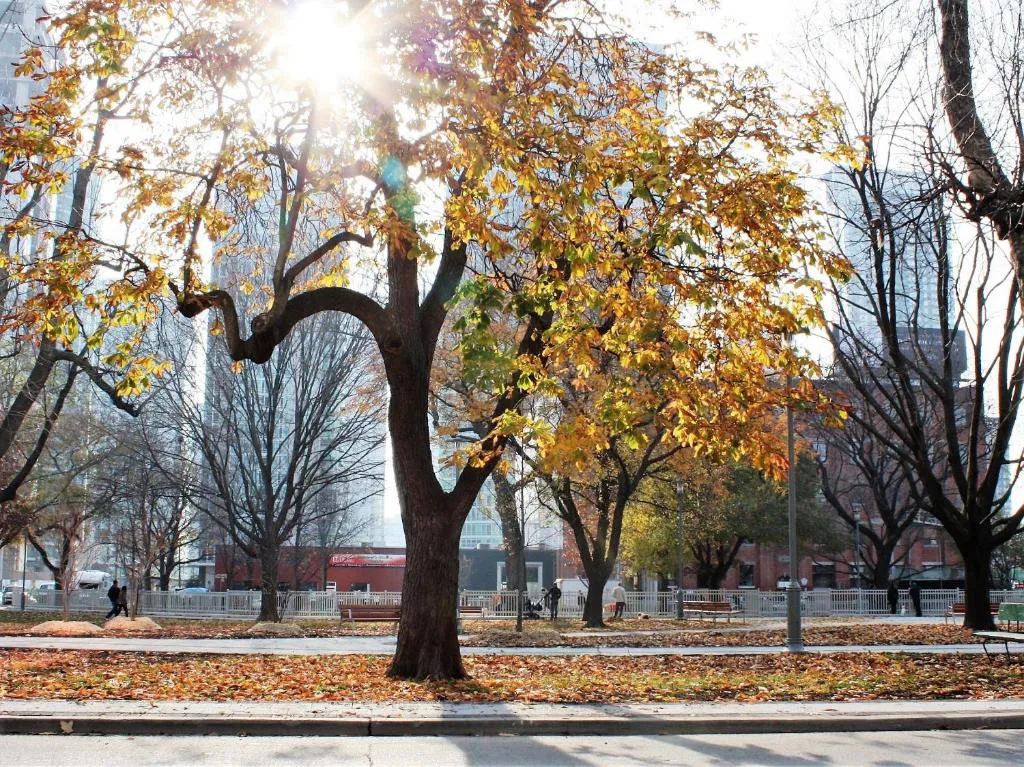 Photo: Clarence Park, via theclarencepark.com
The movement peaked during a memorable evening when twelve poets performed simultaneously across different locations throughout Bury – parks, car parks, even the steps of the town hall. Audiences moved between venues like a literary pub crawl, creating an organic festival that spanned the entire town centre.
"The most powerful moment was when elderly residents started appearing at their windows and balconies," recalls performer Lisa Chang. "They couldn't join us physically, but they were part of it. You'd see curtains twitching, people leaning out to listen. Poetry brought the whole neighbourhood together."
The innovation continued post-lockdown, with monthly 'word walks' that combine spoken word performance with community exploration. "We proved that poetry isn't precious or elitist," says Sarah. "It's just honest conversation dressed up in beautiful language."
The Midnight Garden Party (2021)
"Nobody expected a guerrilla art installation to become Bury's most talked-about cultural event," laughs environmental artist Marcus Green. "But then again, nobody expected a pandemic either."
The 'Midnight Garden Party' began as a response to the mental health crisis affecting young people during lockdown. Marcus partnered with local teenagers to create temporary art installations in neglected urban spaces, working under cover of darkness to avoid bureaucratic obstacles.
"We weren't vandalising anything," emphasises participant Emma Wilson, then 17. "We were healing it. Abandoned lots became flower gardens, graffitied walls became murals, forgotten corners became galleries."
The project culminated in a single night when seven installations were revealed simultaneously across Bury, each incorporating interactive elements that invited community participation. By dawn, word had spread via social media, and residents emerged to discover their transformed town.
"I walked my dog at 6am and found this incredible sculpture garden where there used to be a pile of fly-tipped rubbish," recalls local resident Patricia Holmes. "Kids were already playing there, parents were taking photos. It was like Christmas morning for the whole neighbourhood."
While some installations were temporary, their impact proved permanent. Several sites became ongoing community gardens, while the collaborative model inspired similar projects across Greater Manchester.
"We learned that change doesn't always need permission," reflects Marcus. "Sometimes it just needs young people brave enough to imagine their town differently, and adults wise enough to support them."
The Thread That Connects
These five moments share something essential: they emerged from community need rather than institutional planning. Each proved that Bury's most powerful cultural experiences happen when barriers disappear and people connect through shared creativity.
"The best festivals don't just happen to communities," observes local cultural historian Dr. Jennifer Walsh. "They happen because of communities. These moments remind us that culture isn't something you consume – it's something you create together."
As Bury continues evolving its cultural identity, these legendary moments provide a blueprint for what's possible when creativity meets opportunity, when individual passion becomes collective celebration, and when a town dares to surprise itself with its own potential.