Tomorrow's Stars Start Here: Inside Bury's Youth Theatre Revolution
The Magic Begins in Unexpected Places
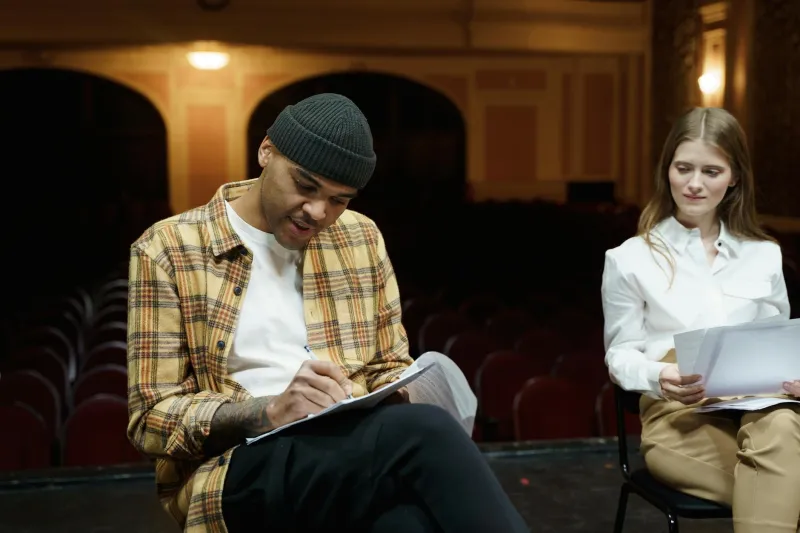
There's something electric happening in the converted church hall on Silver Street every Tuesday evening. As twenty-odd teenagers filter through the heavy wooden doors, their school uniforms gradually giving way to bold expressions and theatrical gestures, you can almost feel the transformation beginning. This is where Bury Youth Theatre Company has been quietly working miracles for the past fifteen years.
"I was painfully shy when I first walked through those doors," recalls Emma Richardson, now 18 and heading to drama school in London this autumn. "I couldn't order a pizza over the phone, let alone speak to strangers. But something about being someone else on stage – it gave me permission to find my real voice."
Emma's story isn't unique. Across Bury, from the polished halls of local secondary schools to the community centres tucked into housing estates, youth theatre groups are doing far more than teaching young people to project their voices and hit their marks. They're building confidence, fostering community, and creating pathways to futures these kids might never have imagined.
Beyond the Spotlight: Building Life Skills
Sarah Mitchell has been directing the Ramsbottom Youth Drama Group for eight years, and she's witnessed transformations that extend far beyond theatrical ability. "We had one lad, Connor, who joined us at 13 completely unable to make eye contact with adults," she explains, setting up props for tonight's rehearsal of their ambitious adaptation of 'A Midsummer Night's Dream'. "By the time he left at 18, he was leading workshops for the younger kids and had been accepted to university. Theatre didn't just teach him to act – it taught him to believe in himself."
The statistics back up what Sarah's seeing firsthand. According to recent research from the National Youth Theatre, young people involved in drama are 23% more likely to pursue higher education and show significantly higher levels of empathy and social awareness. But for the directors and volunteers running Bury's youth theatre groups, the numbers are less important than the individual stories.
"It's about giving kids a safe space to explore who they might become," says Marcus Thompson, who founded Bury East Youth Theatre in his local community centre five years ago. "Some of our kids come from quite challenging backgrounds. Theatre gives them structure, purpose, and most importantly, a sense of belonging."
From Church Halls to Professional Stages
The journey from nervous newcomer to confident performer often begins with the smallest roles. At Prestwich Youth Theatre, 14-year-old Aisha Khan is preparing for her first leading role as Lady Macbeth in their upcoming production. "Last year I was just holding a spear in the background," she laughs, practising her dagger soliloquy. "Now I'm getting to explore these massive emotions and really push myself."
Director Helen Patel has watched dozens of young performers make this progression over her twelve years with the group. "We deliberately structure our seasons to give everyone opportunities to grow," she explains. "The kid playing a tree in their first show might be our leading actor two years later. It's about nurturing potential wherever we find it."
Some of that potential has already made its mark beyond Bury's borders. Former Bury Youth Theatre member James Whitworth recently landed a role in a BBC drama, while Sarah-Jane Mills, who cut her teeth with the Radcliffe Young Actors, is currently touring with the National Theatre. But success isn't always measured in professional achievements.
The Ripple Effect: Parents and Community
The impact of youth theatre extends well beyond the young performers themselves. Parent volunteer coordinator Lisa Barnes has seen how involvement transforms entire families. "My daughter joined three years ago, and now our whole family is involved," she says, sorting through costume donations. "I help with set design, my husband does lighting, and we've made friends we never would have met otherwise. It's brought our community together."
This sense of community building is intentional. Many of Bury's youth theatre groups actively work to break down barriers – offering bursaries for families who can't afford fees, providing transport for kids from outlying areas, and creating inclusive environments where young people from different schools and backgrounds can collaborate.
"Theatre naturally brings people together," observes Dr. Patricia Holt, who researches community arts at the University of Manchester. "When young people work towards a common creative goal, they build bonds that cross traditional social divides. In a town like Bury, with its mix of urban and suburban communities, youth theatre serves as a vital connector."
Looking Forward: Investment in Tomorrow
As funding for school arts programmes continues to face pressure, grassroots youth theatre groups become increasingly vital. The volunteers and part-time directors running these programmes often work with minimal resources, relying on fundraising events, small grants, and the generosity of local businesses.
"We need more recognition of what these groups contribute," argues Councillor Janet Morrison, who sits on Bury Council's Cultural Committee. "These aren't just after-school activities – they're developing the creative workforce of tomorrow while building stronger communities today."
The evidence is all around us. In the confident young person ordering their first coffee, in the teenager who stands up to bullying, in the school leaver who chooses to study drama at university. Bury's youth theatre groups are quietly shaping futures, one performance at a time.
As the lights dim in another church hall and young voices rise in unison, tomorrow's stars are finding their feet on today's humble stages. And for a town with such rich industrial heritage, investing in the creativity and confidence of its young people might just be the most important production of all.