The Stage That Built Itself: Bury's Century-Long Performance Legacy
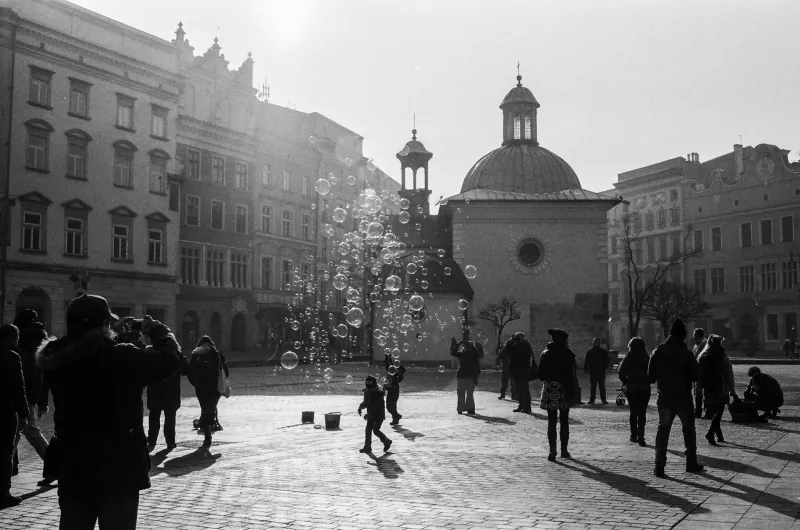
When Every Corner Was a Concert Hall
Walk through Bury's town centre today and you'll hear the echoes – not just from the festival stages that pop up throughout the year, but from over a century of voices that have made these streets sing. This isn't a town that discovered culture when someone decided to call it a festival destination. This is a place where performance has been woven into the fabric of daily life since long before anyone thought to put up official barriers and charge admission.
Martha Greenwood, 78, remembers when her grandfather would set up his accordion on the corner of The Rock in the 1950s. "He wasn't busking for coins," she tells me over tea in her Ramsbottom home. "He was playing because that's what you did on a Saturday. People would gather, someone else might join in with a harmonica, and before you knew it, you had yourself a proper session."
The Pub Circuit That Launched a Thousand Dreams
Bury's pub scene has always been more than just drinking establishments – they've been unofficial venues, rehearsal spaces, and launching pads for local talent. The old White Horse, demolished in the 1980s, was legendary for its Friday night folk sessions. The Derby Hall still hosts acoustic nights that draw musicians from across Greater Manchester, continuing a tradition that stretches back to when coal miners would gather to share songs after long shifts.
"The thing about Bury pubs is they never made you feel like you needed permission to perform," explains Tommy Whitworth, a local musician whose family has lived in the area for four generations. "You'd turn up with a guitar, and if you were decent, people listened. If you were rubbish, they'd tell you that too – but kindly."
This grassroots honesty has shaped the town's artistic character. There's no pretension here, no need to prove your credentials to some distant cultural authority. The audience is your neighbours, your mates from work, the woman who serves you at the market. It's democratic in the truest sense.
Market Day Melodies
Bury Market, famous for its black pudding and fabrics, has always been an impromptu performance space. Street entertainers have worked these crowds since the Victorian era, when travelling musicians would time their visits to coincide with the busiest trading days. The tradition continues today, with buskers understanding that market-goers are already in a mood to be entertained, their pockets loosened by successful bargain-hunting.
Local historian David Fletcher has spent years documenting these informal performances. "The market created this perfect storm of conditions for street entertainment," he explains. "You had people from all walks of life, gathered in one place, often in good spirits from finding a deal, with enough background noise that a bit of music felt natural rather than intrusive."
Community Halls: The Unsung Heroes
While everyone talks about the grand theatres of Manchester and the iconic venues of Liverpool, Bury's community halls have been quietly nurturing talent for decades. Radcliffe Civic Suite, Ramsbottom Civic Hall, and countless church halls have hosted everything from amateur dramatics to punk gigs.
Sarah Chen, artistic director of Bury Festival, sees these venues as crucial to understanding the town's creative DNA. "When we started planning the festival, we didn't want to impose some external idea of culture onto Bury. We wanted to amplify what was already here. These halls, these informal spaces – they're where Bury's artistic confidence was built."
The Working-Class Creative Spirit
There's something distinctly unpretentious about Bury's approach to arts and culture. Perhaps it's the town's industrial heritage, or the fact that creativity here has always been about community rather than individual stardom. The stories that emerge from conversations with long-term residents reveal a place where artistic expression was never seen as separate from ordinary life.
"My dad worked at the paper mill, but he also played piano at the working men's club every Sunday," remembers Janet Morrison, whose family moved to Bury in the 1960s. "Nobody thought that was unusual. You did your job, you looked after your family, and if you had a bit of talent, you shared it with your community."
From Then to Now: The Thread That Connects
This is why Bury Festival feels so natural, so right for this place. It's not an artificial imposition of culture onto a town that never had any. It's the formal recognition of something that was always here – a community that understands the power of shared creativity, that sees performance as a natural part of human interaction.
The teenagers who perform at today's festival events are walking in the footsteps of generations who understood that every street corner could be a stage, every gathering an opportunity for art. They're part of a tradition that stretches back through decades of market day musicians, pub session leaders, and community hall performers.
Bury didn't become a music mecca by accident. It was always one – it just took the rest of us a while to notice. The festival simply gave it a name.