The New Bury Sound: Where Heritage Meets Home
When Worlds Collide in Perfect Harmony
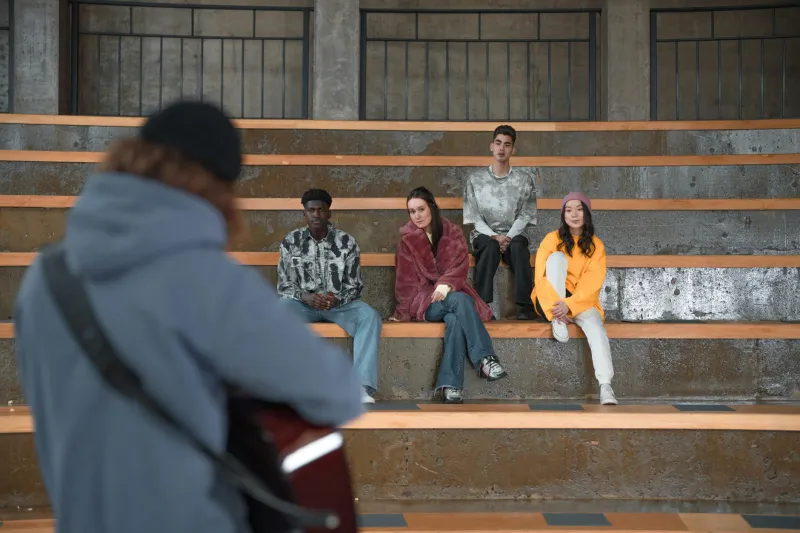
Walk past the Elizabethan Suite on a Thursday evening and you'll hear something that would have made our Victorian mill owners scratch their heads in wonder. The rhythmic tabla beats of Rashid Ahmed's percussion workshop blend seamlessly with the Irish bodhrán patterns that local musician Siobhan Kelly picked up from her grandmother. It's a sound that captures something essential about modern Bury – a place where heritage isn't just preserved, but actively reimagined.
"My gran would have loved this," laughs Siobhan, adjusting the tension on her drum skin as Rashid demonstrates a complex hand pattern. "She always said music was the universal language, but I don't think she imagined it quite like this."
This isn't cultural fusion for the sake of it. It's organic, necessary, and happening in venues across town. From the Bangladeshi folk songs echoing through Castle Leisure Centre's community rooms to the Polish mazurka lessons drawing curious locals at the Met, Bury's newest communities aren't just settling in – they're actively reshaping what it means to be from here.
Beyond the Samosa Stall
The annual Bury Mela has become something of a local institution, but scratch beneath the surface of the food stalls and fairground rides and you'll find something more profound happening. This year's event featured the first-ever collaborative performance between the Bury Pakistani Women's Association dance troupe and the local Morris dancing side from Ramsbottom.
"People expect us to stick to tradition," explains Amira Hassan, who's been teaching classical Pakistani dance for fifteen years. "But tradition isn't a museum piece. It grows, it adapts, it learns from what's around it."
The performance – a twenty-minute piece that wove together traditional ghungroo bells with Morris bells, classical Pakistani movements with English folk steps – drew a standing ovation from a crowd that spanned generations and postcodes. More importantly, it's led to regular monthly workshops where both communities share techniques and stories.
The Quiet Revolution
Not all cultural weaving happens on public stages. In the back room of the Polish Centre on Bolton Street, elderly residents gather weekly to share stories through song. What started as a way for homesick immigrants to connect with their roots has evolved into something more ambitious – a project to document and preserve the folk traditions of Eastern Europe while creating new songs about life in Greater Manchester.
"We sing about the 97 bus being late," chuckles Stanisław Kowalski, the group's unofficial leader. "But we sing it in the style of a Silesian work song. My grandfather would find it hilarious."
The group recently collaborated with students from Holy Cross College to create a bilingual song cycle about Bury's industrial heritage. The resulting performance, staged in the ruins of the old Peel Mill, drew connections between Polish mining traditions and Lancashire's textile past that left audiences seeing their own history in new ways.
Sacred Spaces, Shared Stories
Perhaps the most surprising cultural collaborations are happening in Bury's religious buildings. The town's mosques, churches, and gurdwaras have become unexpected venues for interfaith artistic projects that go far beyond the usual community relations exercises.
At Bury Islamic Centre, the monthly "Voices Together" evening brings together musicians from across the town's faith communities. Christian gospel singers work alongside qawwali performers, while Sikh devotional musicians share stage time with Jewish cantors visiting from Manchester.
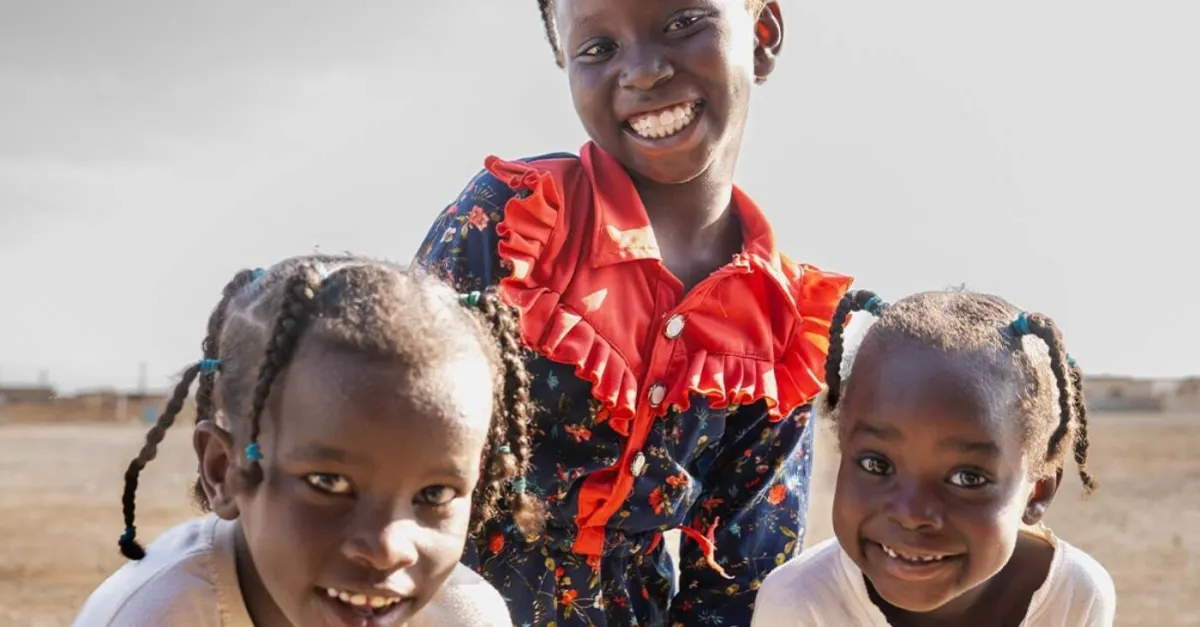 Photo: Bury Islamic Centre, via www.islamic-relief.org.uk
"Music is prayer, regardless of the language," explains Imam Mohammed Rashid, who initiated the programme. "When you hear someone pour their heart into song, the words become less important than the feeling."
The sessions have produced some remarkable collaborations – a gospel arrangement of a Punjabi hymn, a qawwali-style interpretation of a Welsh chapel song, even a multi-faith choir that performed at last year's Remembrance Sunday service.
The Next Generation
Perhaps most telling is what's happening in Bury's schools. At Woodhey High School, the annual cultural showcase has evolved from separate performances by different community groups into genuinely collaborative pieces that blend traditions in ways that would have been unthinkable a generation ago.
Fifteen-year-old Maya Patel, whose grandparents arrived from Gujarat in the 1960s, performed a piece last year that combined classical Indian dance with contemporary street styles she'd learned on TikTok. "It's not about choosing one culture or the other," she explains. "It's about being all of who I am, all at once."
Her performance partner, Connor Williams, whose family has been in Bury for generations, learned basic Bharatanatyam positions to complement Maya's choreography. "It's just dancing, innit?" he shrugs. "Good music is good music."
Building Tomorrow's Traditions
What's emerging in Bury isn't cultural appropriation or superficial multiculturalism. It's something more organic – communities finding shared ground through shared creativity, building new traditions that honour their roots while putting down fresh ones.
The success of these collaborations has caught the attention of arts organisations across Greater Manchester. Next year's Bury Festival will feature a dedicated "Heritage Fusion" stage, showcasing the collaborative work that's been bubbling up from community centres and church halls.
"We're not trying to create some artificial melting pot," explains festival director Sarah Thompson. "We're just giving a platform to what's already happening. Bury's always been a place where people come to build something better. Now we're hearing what that sounds like."
As the Thursday evening workshop winds down, Rashid and Siobhan pack away their instruments, already planning next week's session. They're working on a piece for the spring festival – something that tells the story of two musical traditions finding common ground in a Lancashire mill town. It's a story that could only happen here, in this moment, in this beautifully complicated place we call home.