The Underdogs Rising: Inside Bury's Rebel Venues Fighting for Culture's Future
The Quiet Revolution Happening in Plain Sight
Walk down any high street in Britain today and you'll see the same depressing story: empty shopfronts, closed theatres, and 'For Lease' signs where vibrant cultural spaces once thrived. Yet in Bury, something remarkable is happening. While the headlines scream about venue closures and funding cuts, a network of independent cultural spaces is quietly rewriting the rules of what it means to keep the arts alive.
"We're not trying to be the next O2 Arena," laughs Sarah Chen, who runs The Forge, a converted Victorian warehouse that hosts everything from experimental theatre to underground DJ sets. "We're trying to be something better – a place where artists can take risks and communities can come together without breaking the bank."
The Forge is just one of a dozen independent venues that have emerged across Bury in the past five years, each with its own story of creative rebellion against an increasingly hostile economic landscape.
Against All Odds: The Numbers Game
The statistics paint a grim picture for independent venues nationwide. According to the Music Venue Trust, the UK lost 125 grassroots music venues in 2023 alone, with rising rents, energy costs, and reduced footfall creating a perfect storm of financial pressure. Yet Bury's independent scene is bucking this trend in ways that would make even the most optimistic cultural policy wonk take notice.
Take The Mill Collective, housed in a former textile factory on the outskirts of town. What started as a desperate attempt to save a derelict building has evolved into a thriving hub that hosts 200+ events annually, from intimate acoustic sessions to full-scale art installations.
"The secret isn't having loads of money," explains collective founder Marcus Webb, gesturing around the raw brick walls adorned with local artwork. "It's about building something that the community actually needs, not what we think they should want."
The numbers tell their own story: The Mill Collective operates on an annual budget of just £35,000 – roughly what a West End theatre spends on lighting in a month – yet it reaches over 15,000 people each year.
The Art of Creative Survival
Survival in the independent venue world requires more creativity than any performance that graces their stages. At Bury Underground, a basement space beneath a Victorian terrace, owner-operator Jamie Rodriguez has mastered the art of maximum impact with minimal resources.
"Monday nights we're a comedy club, Tuesday it's poetry slams, Wednesday through Friday we transform into an intimate music venue, and weekends we become whatever the community needs – sometimes that's a wedding reception, sometimes it's a political debate," Rodriguez explains while adjusting the hand-built sound system that cost less than most venues spend on a single microphone.
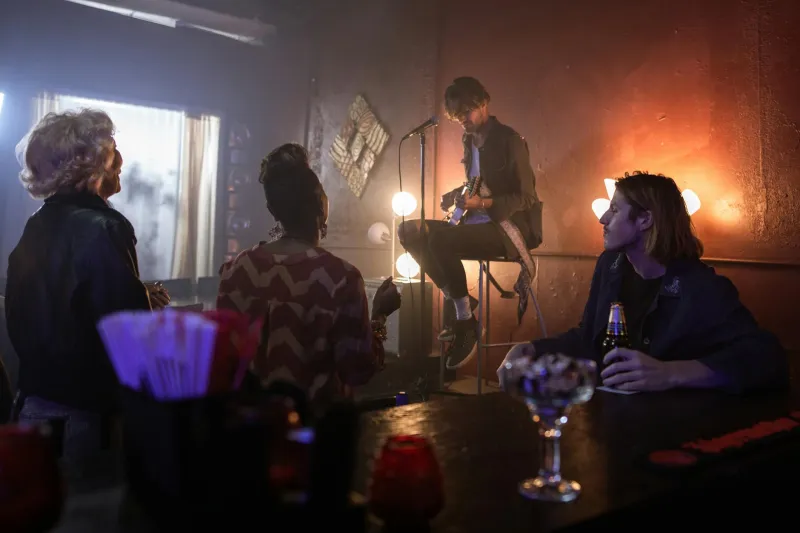
This flexibility isn't just practical – it's philosophical. These venues succeed because they refuse to be pigeonholed. The Attic, a 40-capacity room above a local café, has hosted string quartets and death metal bands in the same week, often to the same enthusiastic audience.
"Genre boundaries are for people with bigger marketing budgets than us," grins The Attic's curator, Priya Patel. "We book what's good, and our audience trusts us to surprise them."
Community as Currency
What emerges from conversations with these venue operators is a different understanding of value altogether. While commercial venues measure success in ticket sales and bar revenue, Bury's independents trade in something more precious: genuine community connection.
The Parlour, a volunteer-run space in a converted church hall, operates on a radical pay-what-you-can model that would terrify most business advisors. Yet it's thriving, with regular attendees often paying more than the suggested donation because they understand they're investing in something irreplaceable.
"People don't just come for the entertainment," observes Parlour coordinator Helen Martinez. "They come because this is where they met their best friend, where their teenager discovered they could sing, where their elderly neighbour found community after retirement. You can't put a price on that, but people will absolutely pay to protect it."
The Ripple Effect
The impact of these venues extends far beyond their immediate programming. Local artists speak of career-changing opportunities that would never have existed in traditional commercial spaces. Emma Thompson (not the actress, but equally passionate about performance) credits her breakthrough as a spoken word artist to the patient nurturing she received at multiple Bury venues.
"The big venues want you polished and proven," Thompson reflects. "The independents want you real and willing to grow. That's where art actually happens – in the space between who you are and who you might become."
This nurturing environment has created what cultural economists call a 'creative multiplier effect.' Young artists who cut their teeth in Bury's independent venues often return as headliners, bringing bigger audiences and higher profiles that benefit the entire local scene.
Looking Forward: The Next Chapter
As we look toward 2024, these venues face new challenges – from increased insurance costs to the ongoing cost-of-living crisis affecting their audiences. Yet there's an unmistakable sense of optimism among the operators, born from hard-won experience and unshakeable community support.
"We've survived a pandemic, energy price spikes, and funding cuts that would have killed us if we were dependent on traditional revenue streams," reflects Sarah Chen from The Forge. "We're still here because we're not just venues – we're essential community infrastructure."
The lesson from Bury's cultural underground isn't that money doesn't matter – it absolutely does. Rather, it's that when creativity, community, and sheer bloody-minded determination combine, they can create something more resilient than any business model based purely on profit margins.
In a cultural landscape increasingly dominated by corporate chains and algorithm-driven programming, Bury's independent venues represent something precious: spaces where art happens because it needs to, where communities gather because they choose to, and where the future of culture is being written one intimate performance at a time.
They may be the underdogs, but in Bury, the underdogs are winning.